


12 Surprising Things That Need to Be Refrigerated
Updated: Jul. 25, 2024





Check yourselves before you wreck your shelves by way of placing these need-to-be-chilled items in your fridge rather than a cupboard. Looking for answers as to what jarred, Tupperwared, and boxed munchies should be placed within the cold confines of your kitchen's stainless steel safe? Read on.
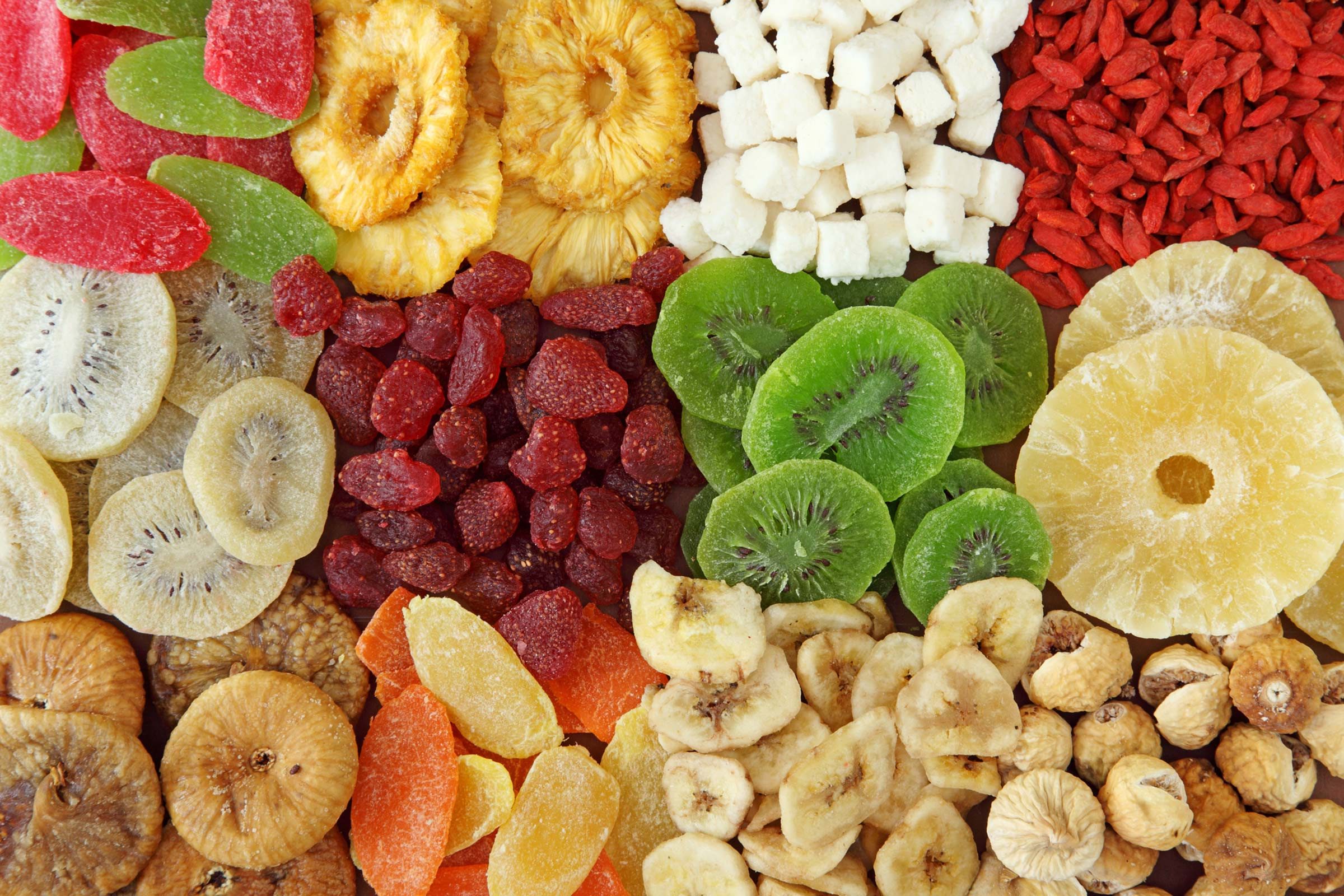
Dried fruit
Sure, the dehydrated version of normal fruit doesn’t spoil as quickly as its more moisture-filled compatriots, but by placing wrinkly prunes, pears, figs, and peaches within the main compartment of your fridge can further maintain its bumpiness for up to six months. On the flip side, these are the 16 foods you should never keep in the freezer.

Red wine
Sure some oenophiles poo-poo the idea of cooling your Cabernet but per Wine Spectator’s “Ask Dr. Vinny” column, placing a nice Merlot near leftover pizza is a do. “I believe that most red wines are drunk too warm (and that most whites are served too cold). I personally enjoy my reds with a slight chill on them…the equivalent of about 30 minutes in the fridge.” If you’re sick of keeping track of your food’s freshness, consider buying some of these supermarket foods that legitimately last for years.
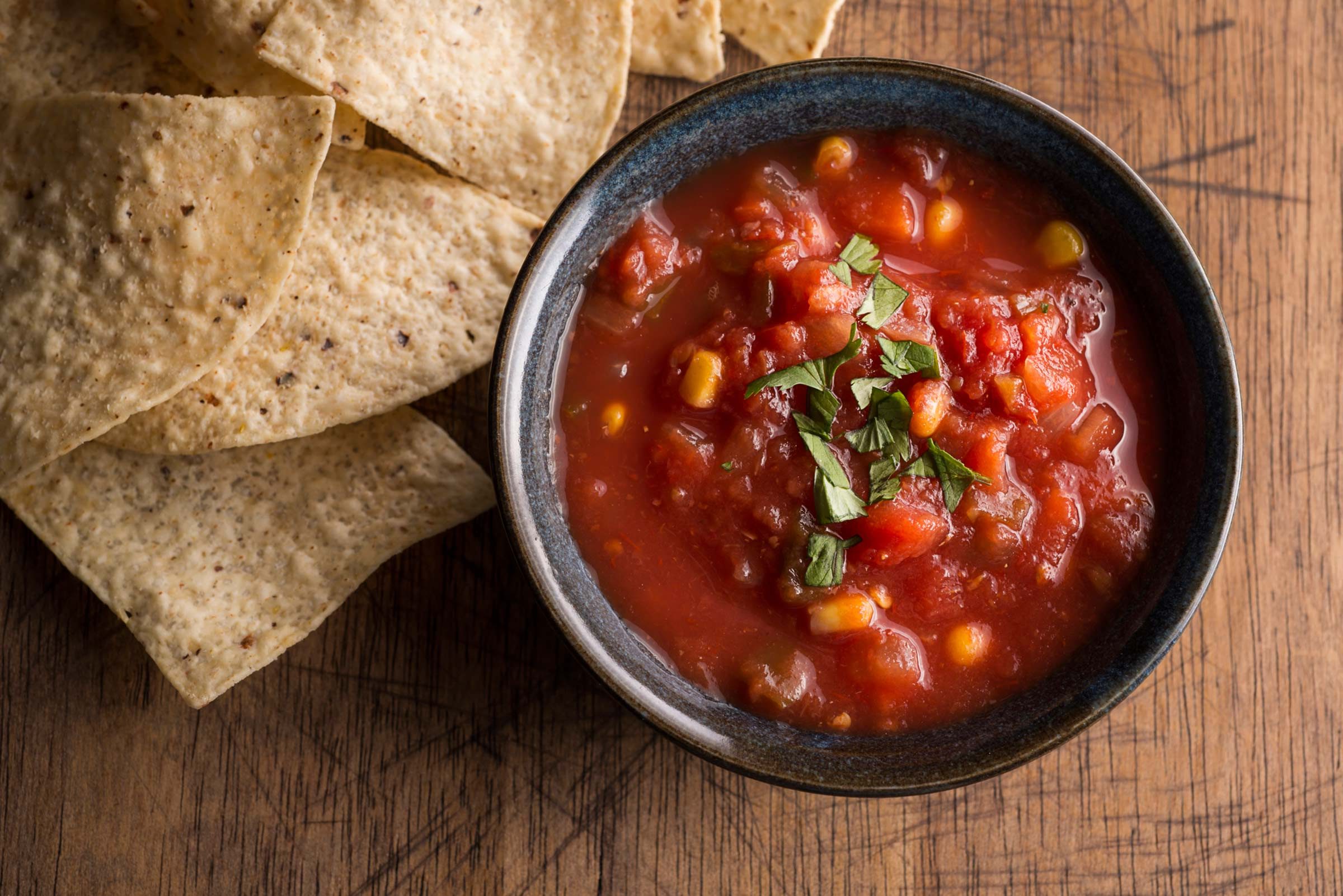
Salsa
Once that seemingly safe jar full of tomatoes, onions, and garlic is opened? The surrounding temperature will make America’s second favorite condiment susceptible to increased bacteria levels. It will keep fresh in the fridge for up to two weeks.

Apples
Sir Isaac Newton’s favorite fruit can keep the doctor away, whereas only you can prolong the life of said Honey Crisps by tossing them in the fridge—rather than tastefully arranging them in a bowl atop your kitchen counter—thus increasing their eat-by-date by upwards of a week. Another food tip: You’ve probably been storing these 11 foods wrong this whole time.
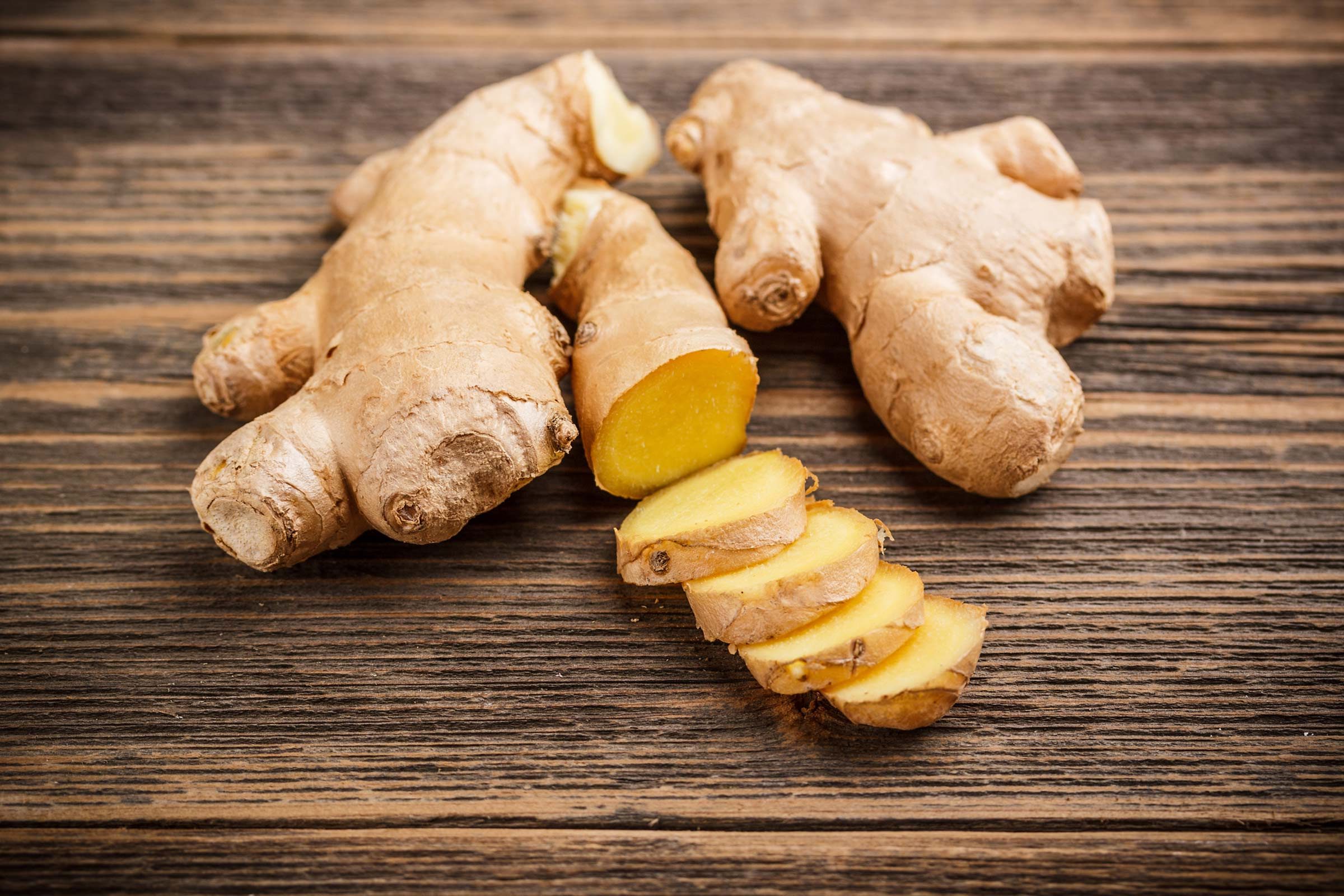
Fresh ginger
Fresh ginger will last up to three weeks if kept unpeeled, wrapped in a paper towel, and enclosed in a ziplock bag in the crisper drawer of your fridge. Heads up: These 10 foods are probably already expired in your fridge right now.
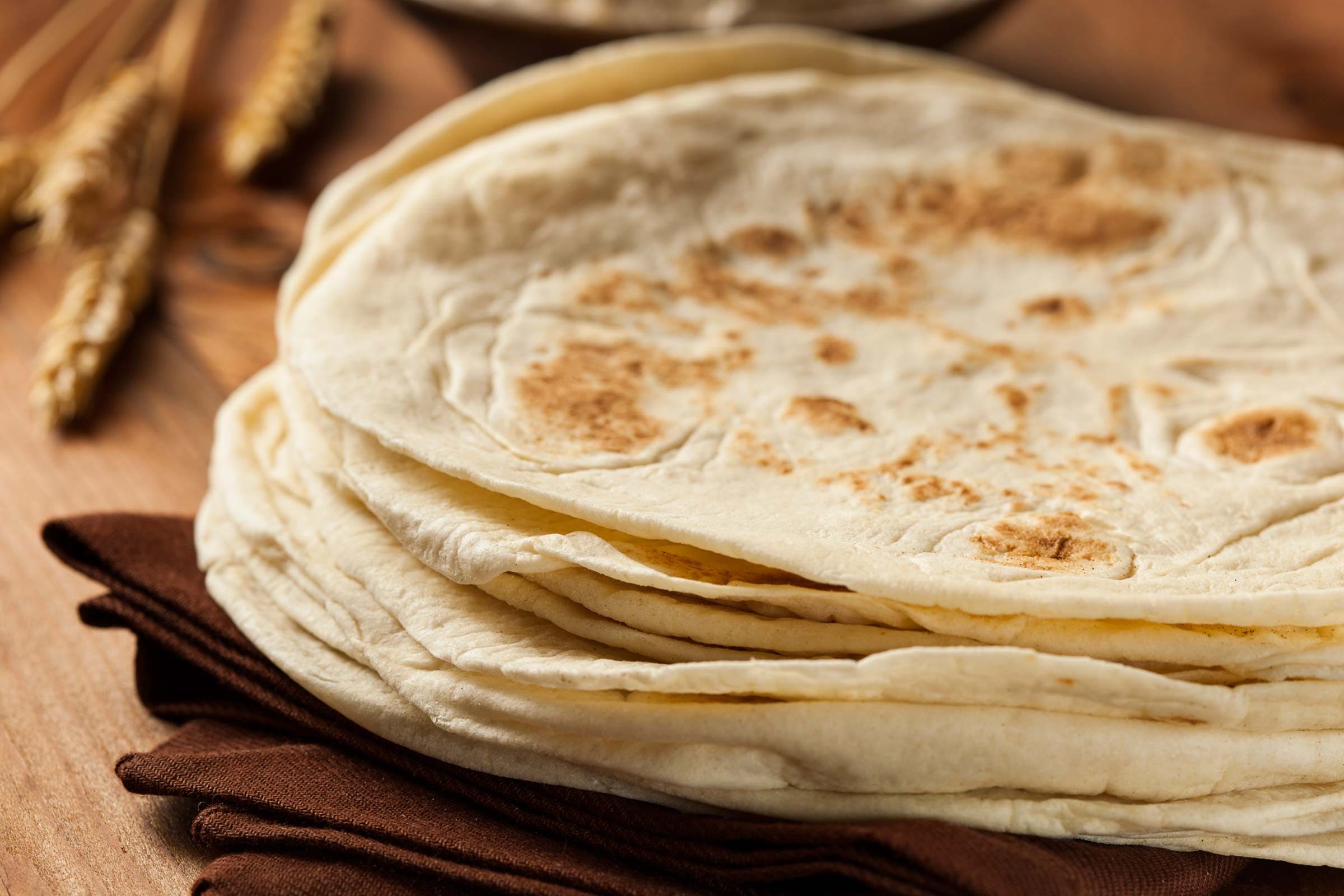
Tortillas
If Mexican cuisine has taught us anything it’s that fresh is best. Once you break the seal on a bag full of burrito or soft taco wraps, toss ’em in the fridge so as to prolong the packaging’s expiration date. And that—as our south-of-the-border buddies say—is “bueno.”

Cut flowers
Keep your bouquets fresh for longer by storing them in your fridge overnight. The cold will prevent your buds from wilting.
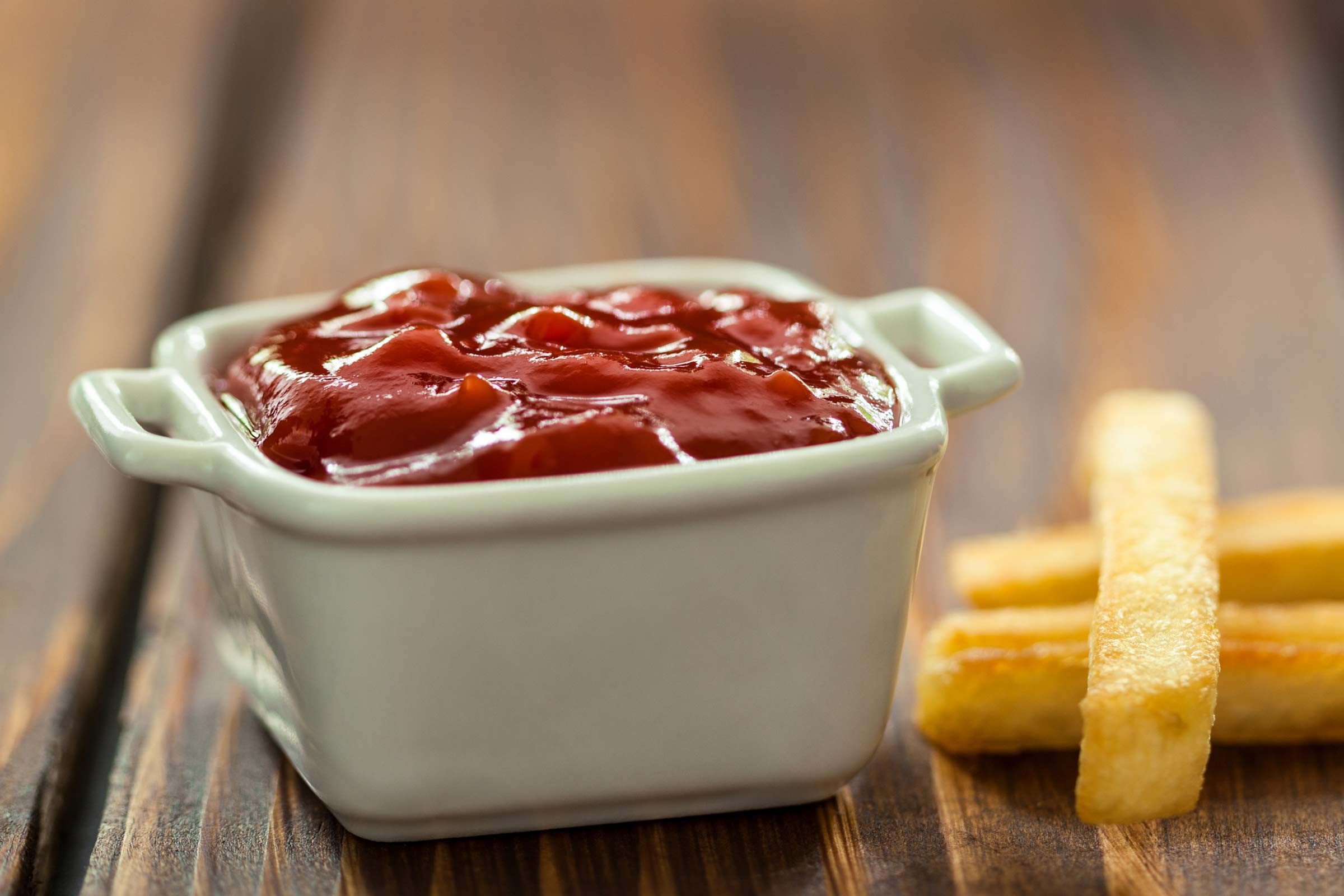
Ketchup
The hamburger’s number one helper does have a high acid content which fends off bacteria for a bit, but cool temperatures help maintain flavor and freshness for up to a whopping six months. While you’re at it, check out the best places to store the rest of your favorite condiments.
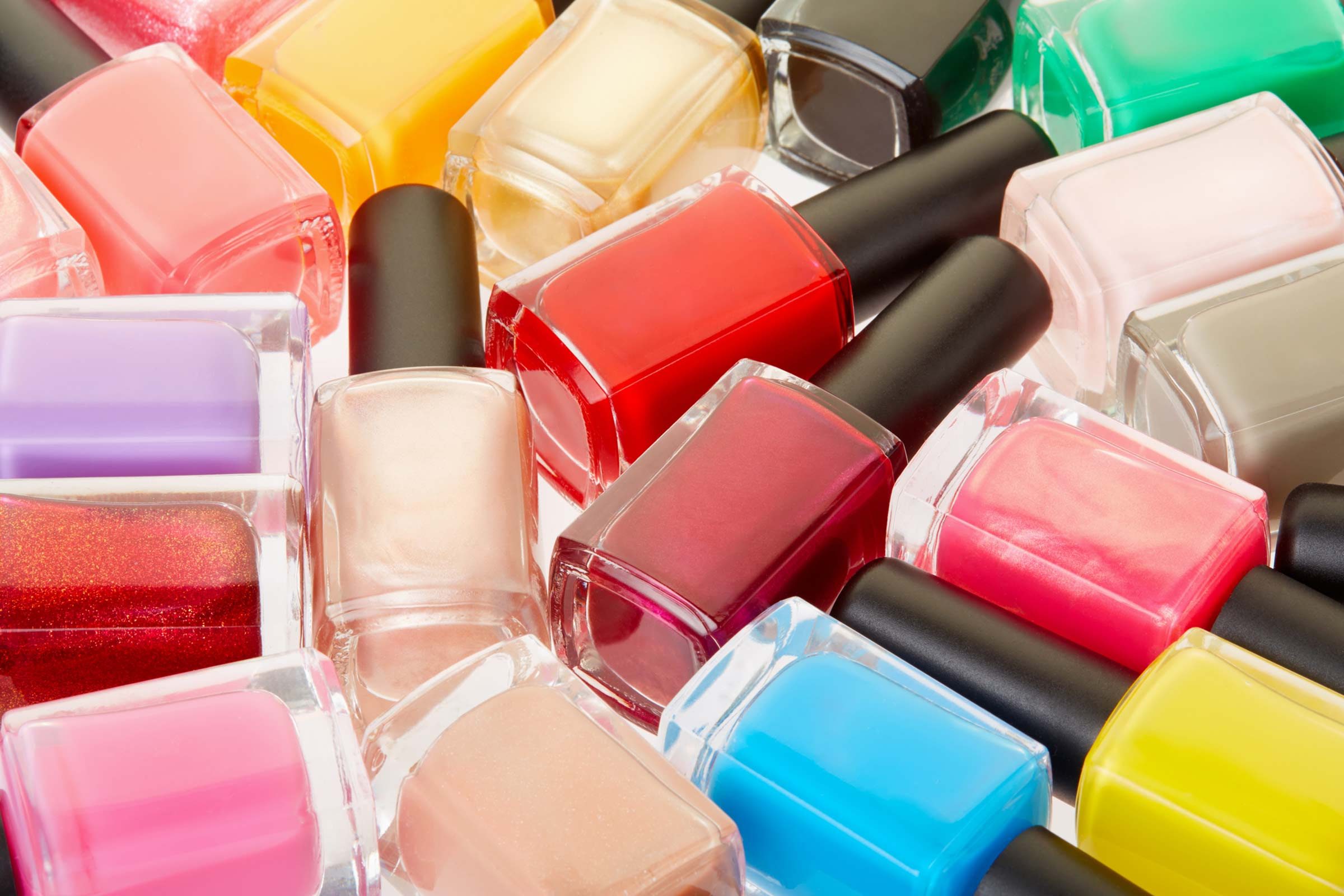
Nail polish
While ours has been a (mostly) food-related journey, there are a number of beauty products that do better in your fridge, including nail polish. The polish will maintain its colors and consistency for longer, thanks to the cold air.
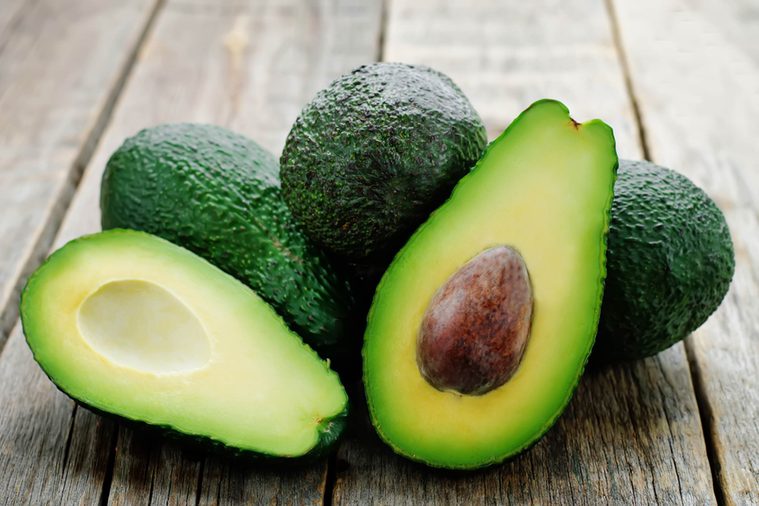
Avocados
Many people only think to leave their avocados in the fridge if they’re cut in half. But, you should actually be storing your whole avocados in the fridge as well. It can keep them fresh for up to two weeks. To keep half of an avocado fresh for longer, keep the pit in it and sprinkle it with lemon juice before storing. The only downside to storing avocados in the fridge is that they won’t ripen as quickly. Leave the avocado on your counter to speed up the ripening process so they’re ready to use when you want to cook.
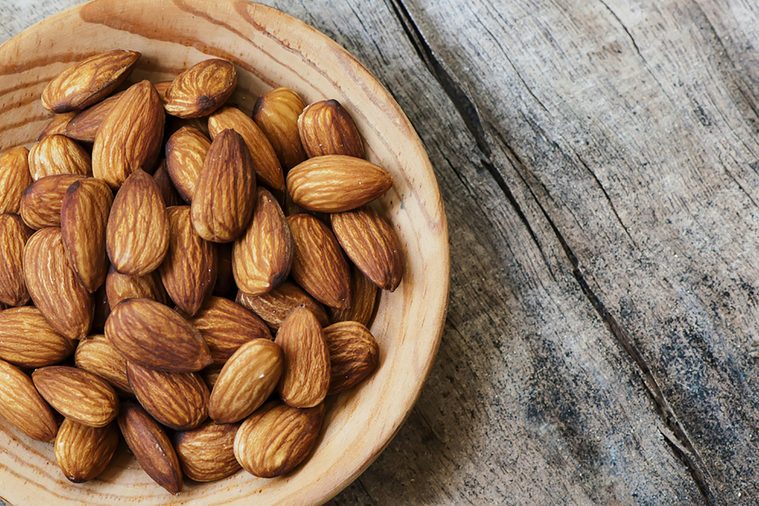
Nuts
If nuts are left out at room temperature the oils will become rancid quicker and it encourages insect growth. If you keep them in the fridge, nuts can stay fresh for up to a year. And, if you store them in the freezer, up to two years. Make sure you know these 15 food storage rules.
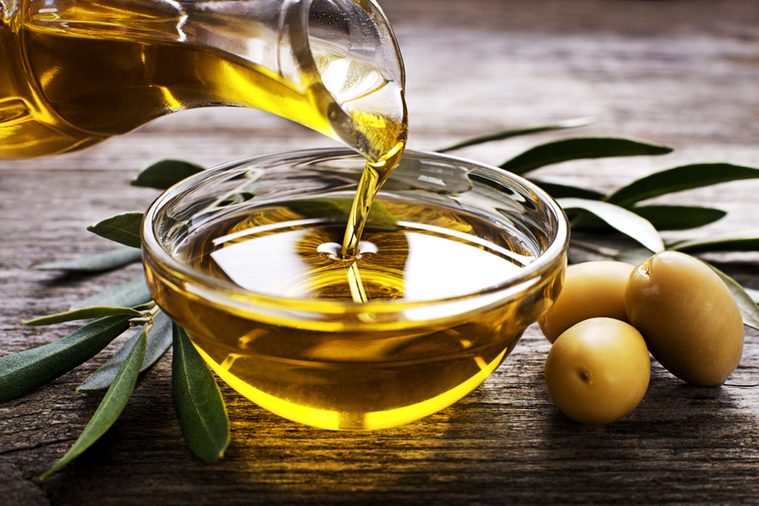
Olive Oil
Olive oil can turn bad much quicker when it is exposed to oxygen, light, and heat. Keeping your olive oil in the fridge can help prolong it’s shelf life. Next, check out these 20 foods that you’re spoiling by keeping them in the fridge.
