


8 Parts of Your Body You Should Never Touch

Updated: Jul. 25, 2024





Our hands are covered in germs that are spread to these sensitive body parts, and in some instances, they can also gather more germs which are then transmitted to other people. These habits are damaging to your health and the health of those around you.

Keep your hands off your face
Look around a coffee shop and you’ll see a good number of people resting their face in their hands. But unless you are washing your face or applying moisturizer, hands off! According to Matthew Lee, microbiologist, “Your hands contain oils that can plug your pores and worsen your acne. The germs on your fingers can exacerbate this effect.” And if you develop pimples, be sure to never pop them if they crop up on this part of your face –– doing so can put your health at risk.
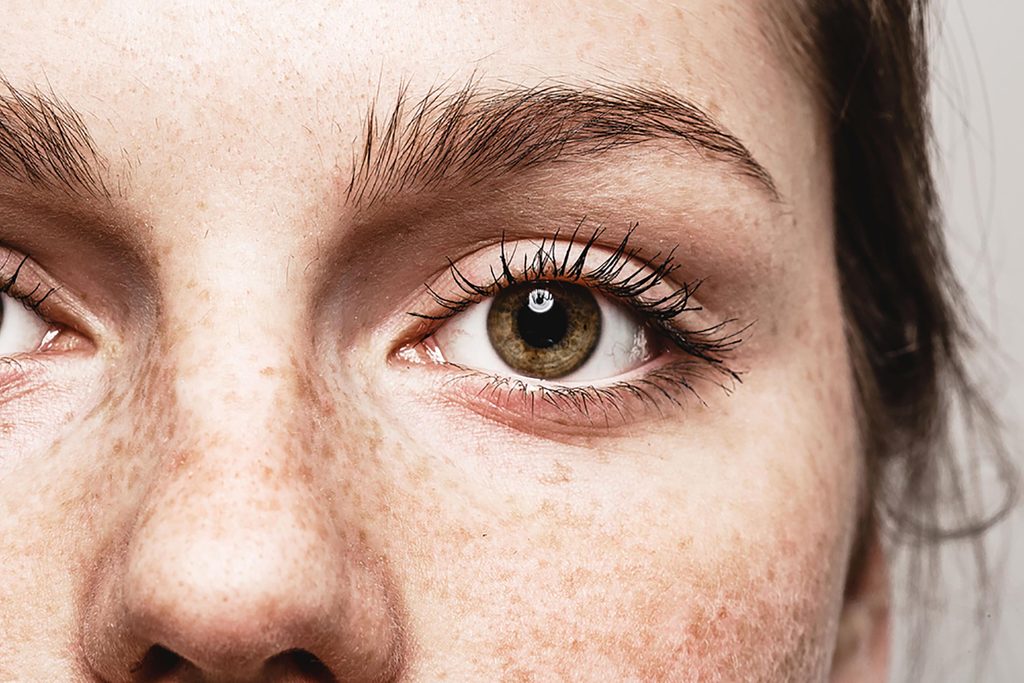
Keep your hands off your eyes
Your eyes are extremely sensitive: Not only can touching them introduce germs, but you also run the risk of accidentally inserting micro-particles of dirt, which can cause irritation and even scratches to your corneas. If you must touch your eyes, wash your hands thoroughly before doing so. Resist the urge to rub your eyes as this can also cause more wrinkles and dark circles over time. If your eyes are itchy, try re-wetting drops to help keep irritation at bay.
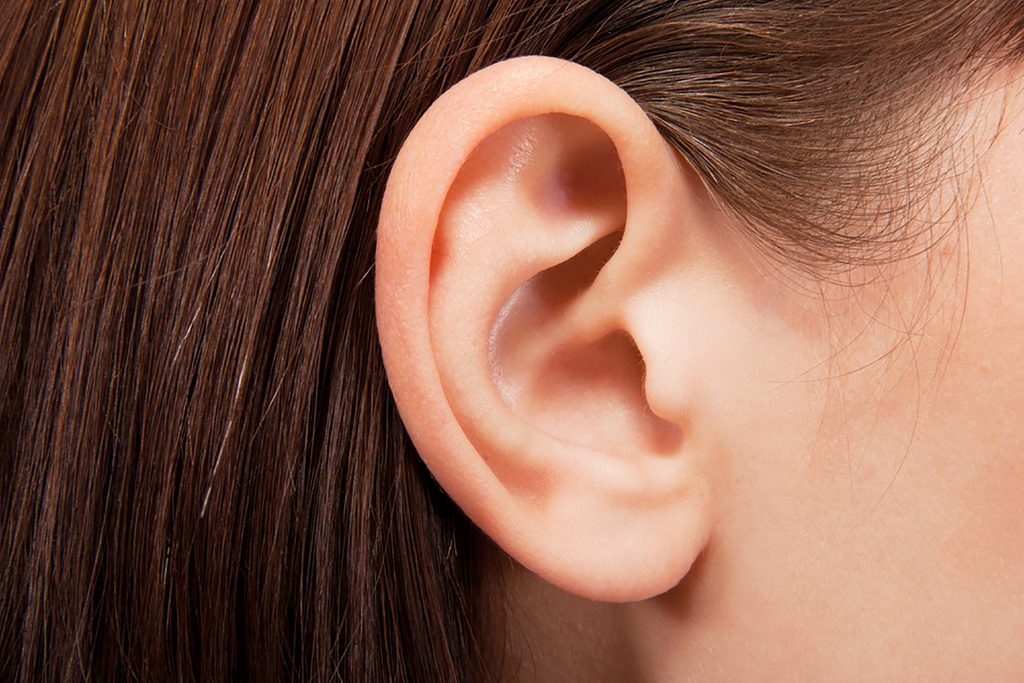
Keep your hands off your ears
The insides of our ears are delicate and very prone to damage, which is why you should resist the urge to dig in deep to remove ear wax. According to Lee, “You should never stick your fingers deep inside your ears. The skin that lines the ear canal is very thin and subject to micro tears.” Instead of attempting self-treatment, Lee recommends seeing an otolaryngologist to assess any issues. If you really need to, follow these tips to clean your ears safely.
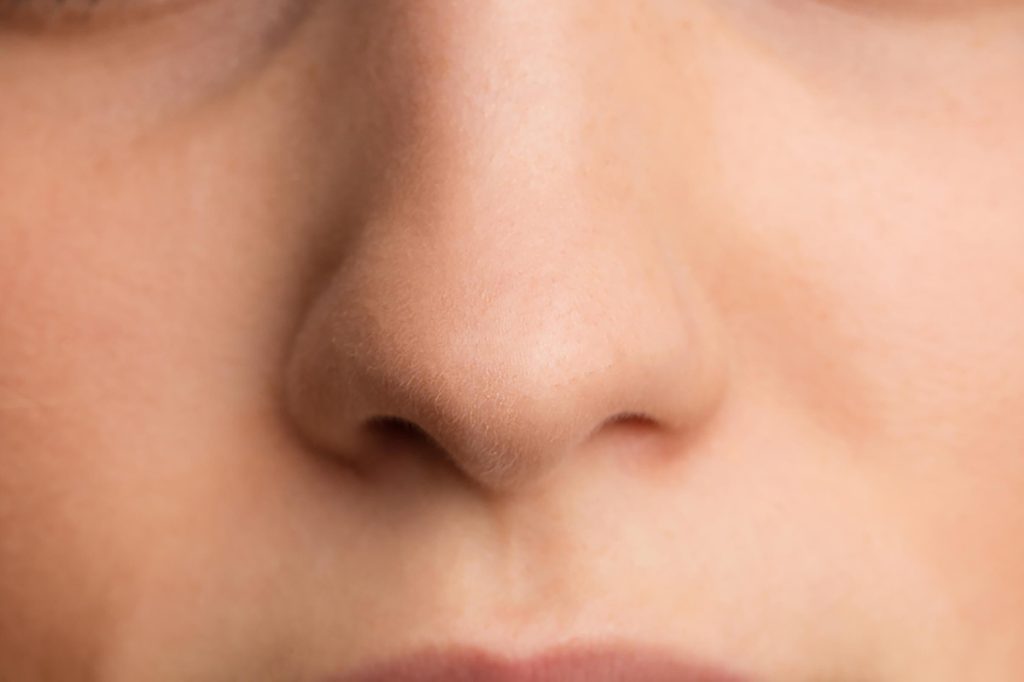
Keep your hands off your nose
The inside of your nose contains its own healthy bacteria. By putting your fingers in there, you introduce different bacteria, which are likely unwelcome and can cause infections. Additionally, your hands will then carry out the nose bacteria and spread it around, which is particularly problematic during cold/flu season.
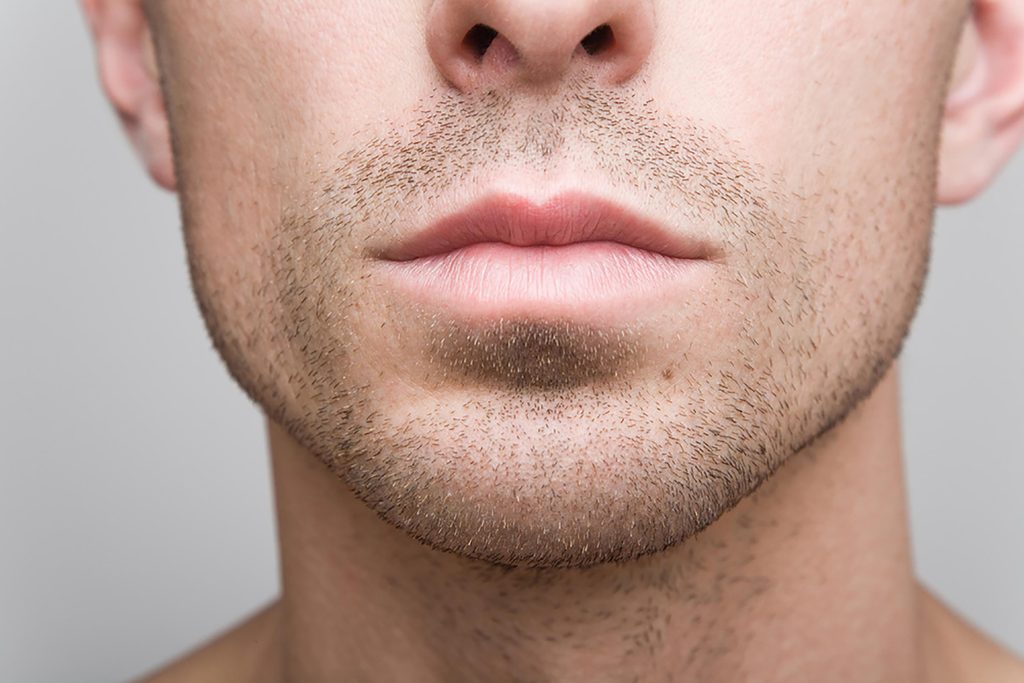
Keep your hands off your mouth
The average person’s mouth plays host to around 34 to 72 different strains of bacteria. Most of them are harmless—some are even beneficial to your oral health—but adding in extra germs from your hands (and the doorknob, faucet, banister, and microwave buttons you touched along the way) disrupts the balance of your mouth and is pretty much a one-way ticket to getting sick. And if you’re ill already, touching your mouth may help transfer germs from your mouth to other people with whom you make contact, either by shaking their hand or borrowing their stapler. Keep your hands out of your mouth to minimize these risks. Don’t believe your mouth is that germy? Find out what can happen if you share your toothbrush.
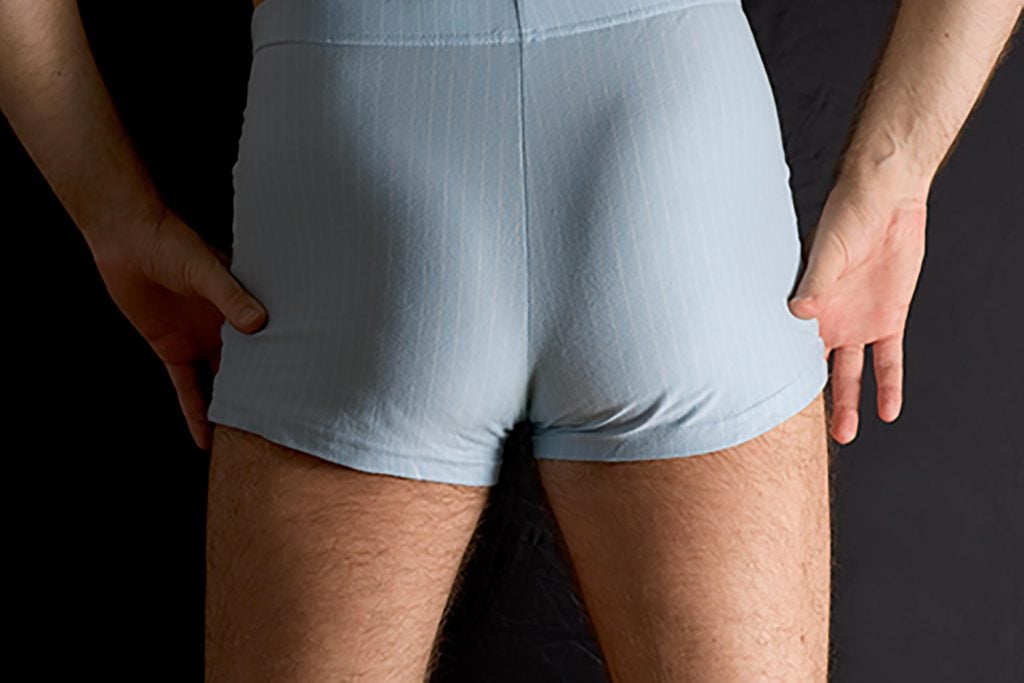
Keep your hands off your butt
Signs encouraging hand-washing after using the bathroom are not merely fearmongering: Touching your anal region is an excellent way to spread germs, even dangerous E.coli. According to Glenner Richardson, MD, director of microbiology and analytical chemistry laboratories at Microban, you need to keep your hands off. “Contact with the anal region of the body can facilitate the transfer of a normal gastrointestinal tract residential organism through hands that touch, either directly or indirectly, the mouth or eyes, where it becomes an agent for an infection,” he says.
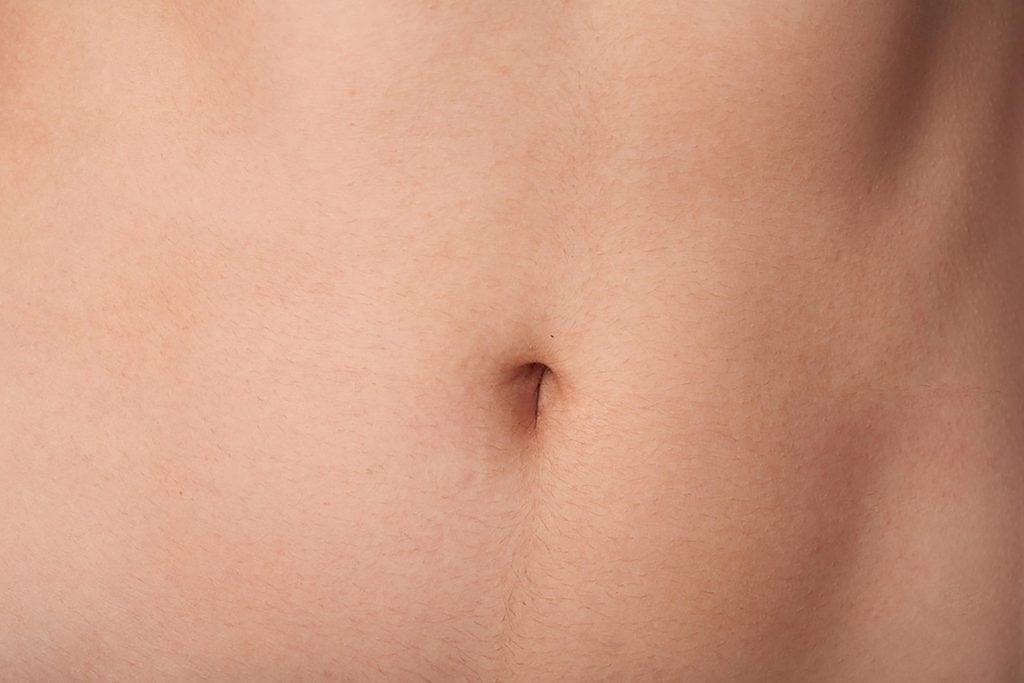
Keep your hands off your belly button
Did you know that your belly button is the dirtiest part of the body, according to the Public Library of Science? “The belly button harbors a high population of bacteria,” Dr. Richardson says. “It is largely inaccessible, so it remains dirty even after showering.” The shape of your navel makes it easy to collect dirt, which can even cause a strong smell. Dr. Richardson cautions against touching your belly button with your germy fingers, as it can lead to serious infections.
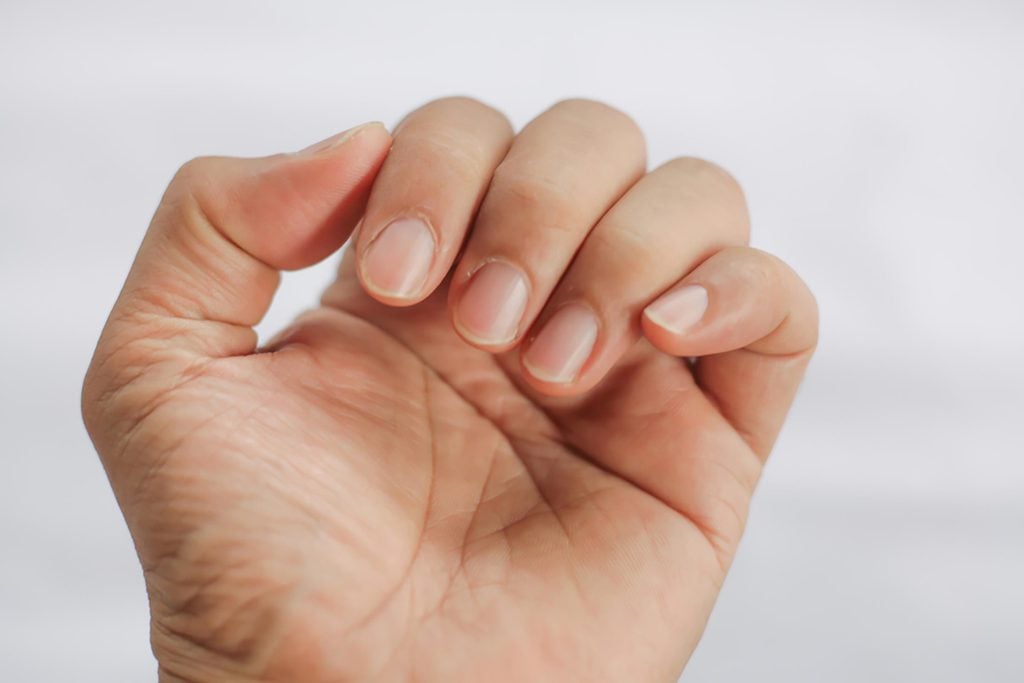
Keep your hands off your nails
Under both fingernails and toenails lives an incredible amount of dirt and bacteria. Even diligent hand washing will not completely eradicate these germs, according to the BBC, which is why doctors and nurses wear gloves. People who absentmindedly pick at these body parts unwittingly loosen and release the various bits of grime and bacteria onto their hands, which can then be spread to other surfaces. Make an effort to break any nail-digging habits, as they are unhealthy for you and those around you. Your nails also reveal a lot about your health –– find out what yours say.
