


Home Beauty Face and Body Care
The Best Anti-Aging Secrets Dermatologists Won’t Tell You for Free

Updated: Apr. 12, 2024





We asked top skin care experts to share anti-aging secrets they typically won't tell you for free, like how to reduce dark circles and puffy eyes.
Our editors and experts handpick every product we feature. We may earn a commission from your purchases.
The best tips from top dermatologists
A wide array of over-the-counter anti-aging skincare products claim to improve the signs of aging, such as skin spots, fine lines, and wrinkles, and boost collagen. But can they really deliver those impressive results, or are they all hype? The U.S. Food and Drug Administration advises it’s important for consumers to understand when a product is a cosmetic, drug, or both to evaluate the validity of these claims. So, which products can actually deliver results that improve the signs of aging?
Ahead, we spoke with medical experts who told us the best anti-aging secrets for better skin health.

1. Opt for sunscreen to fight aging skin
Sunscreen is one of the best weapons when it comes to protecting your skin against skin cancer, and it’s also one of the best ways to keep your skin looking younger and healthier. “The sun emits ultraviolet radiation that damages skin, both the overlying epidermis and the underlying dermis,” explains Jerome Garden, MD, a dermatologist, and director of the Physicians Laser and Dermatology Institute in Chicago. “In addition to increasing your risk of skin cancer, the sun causes brown spots, red spots, and wrinkles.”
2. Expensive products are not always more effective
It may be tempting to splurge on a skin-care item that promises to yield big results, but pricey doesn’t always equal quality. According to Dendy Engelman, MD, a dermatologist at Manhattan Dermatology and Cosmetic Surgery in New York City, some great drugstore products can produce great results. “A higher price tag can mean better quality ingredients or a higher concentration of an ingredient, but the ingredients list is always more important than the brand selling the product,” she says.
Dermatologists Say This 1970s Anti-Aging Ingredient Is Still the Gold Standard for Gorgeous Skin
3. Don’t buy generic skincare
You don’t need to spend a fortune to get a high-quality skincare product, but there is a difference between a brand name drugstore product and a generic one, according to Joshua Zeichner, MD, a dermatologist and director of Cosmetic and Clinical Research in Dermatology at Mount Sinai Hospital in New York City. “Many generic products are packaged to look similar to the original, and may even have the same ingredients list, however, the difference is the quality of the ingredients and how they are actually formulated,” he says.
4. Skimp on a fancy cleanser
No matter what an expensive cleanser may cost, it’s not going to work any more magic than most lower-cost competitors, according to dermatologists. “The goal of a cleanser is to remove dirt, oil, makeup, and pollution from the skin without disrupting the outer skin layer—and the ingredients used to create a product that can do this are not expensive,” says Dr. Zeichner. “In fact, some of the best quality cleansers are actually among the least expensive products on the market—for example, the Dove Beauty Bar is a gold standard product using ultra-gentle cleansing ingredients that actually helps hydrate the skin.”
These Are the Only 3 Skincare Products a Dermatologist Says We All Need
5. Opt for a serum
Serums, which are meant to be layered underneath your daily and nightly moisturizer, often are the first skincare products to be skipped. But, they actually play an important role in your daily routine. “Serums contain a high concentration of active ingredients and are lightweight, so they penetrate deeper into your skin to provide maximum benefits,” says Whitney Bowe, MD, a dermatologist in New York City and author of The Beauty of Dirty Skin. She recommends looking for serums that contain ceramides and amino acids, which help to bolster the skin’s natural barrier, and antioxidants, which protect skin from sun damage and free radicals.
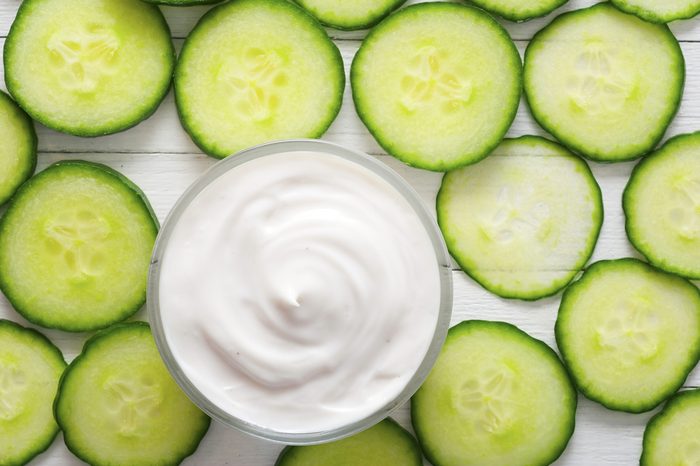
6. Don’t trust anti-wrinkle face creams claims
“We develop fine lines because of repeated folding of the skin from underlying muscles,” explains Dr. Zeichner. “Young, healthy skin has a strong foundation that resists folding and bounces back to its original shape, but, with age, that skin foundation gets weaker.” While topical creams will certainly help keep the skin barrier strong, the only way to truly reduce wrinkles is to relax the muscles underneath the skin, according to Dr. Zeichner.
7. Wear sunscreen year-round
It’s true that even on the cloudiest or snowiest of days, sunscreen should be a part of your daily skincare routine. “Incidental sun exposure for only 10 to 15 minutes a day adds up over time and can cause significant sun damage and accelerated photoaging,” says Dr. Engelman. In order to keep skin looking it’s youngest and healthiest, she recommends applying sunscreen every single day of the year, as brief sun exposures throughout the year can add up to significant damage (think driving with the sunroof open or walking around outdoor shopping centers during peak sun hours).
‘What SPF Do I Need?’ Here’s a Dermatologist’s Reliable Method for Choosing
8. Use retinol—it really works
According to Hadley King, MD, a dermatologist at Dr. Doris Day’s Upper East Side private practice Day Dermatology & Aesthetics in New York City, topical retinoids are the most effective topical anti-aging products (after sun protection). “There is great data that supports their effectiveness and safety,” she says. “While prescription retinoids are the most effective, plenty of over-the-counter products contain retinol and work well, especially on sensitive skin.”
The Retinoid Rule Dermatologists Are Urging Everyone to Follow
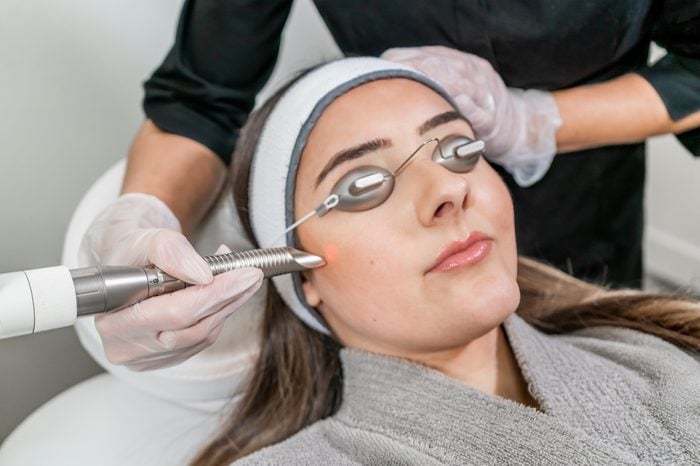
9. Invest in laser treatments
If you’re looking for fast results without the use of creams, Dr. Garden recommends laser treatments, which he specializes in. “We have lasers for brown spots, red spots, blood vessels, and wrinkles,” he says. “Newer devices called fractionated lasers can produce impressive results with less downtime than before.” Although they’re pricier, he says these treatments can offer results far superior to creams. But the only caveat is that these machines are powerful and, in many states, can be operated by unqualified individuals who are not even physicians. He recommends making sure that your laser treatments are being performed by a board-certified dermatologist to avoid complications.
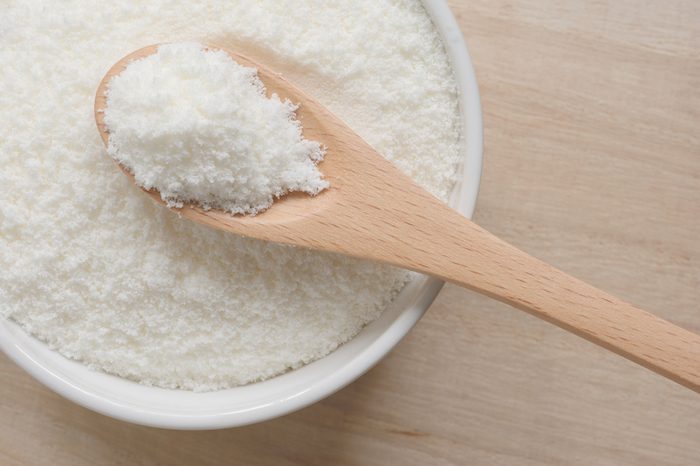
10. Try collagen supplements
Collagen is a protein that’s a building block for our hair, skin, and nails. “Supplemental collagen is fragmented pieces of amino acids and peptides that connect in the bloodstream with enzymes that trigger the production of collagen,” explains Dr. Engelman. “In a collagen-deficient system, this will support and increase collagen production.” It’s important, however, that you choose the right type of collagen since 16 different strains exist. “For oral supplements, hydrolyzed collagen is easiest to digest, as it is broken down into the smallest forms of peptides and amino acids,” she says. “I like pills and powders because they are easy to incorporate no matter what your lifestyle.” Her favorite is Reserveage Collagen Replenish Powder.
12 Foods That Naturally Boost Collagen for Skin That Looks Years Younger
11. Don’t fall for “trendy” products
The latest and greatest products on the market might be eye-catching, but their popularity doesn’t mean they’re effective. “Just because something is ‘hot’ right now in the beauty industry, does not mean you should run out to purchase it,” says Dr. Bowe. “I always encourage my patients to look for scientific studies and statistics that prove that products deliver the results they promise.”
12. Follow a healthy diet
No matter how much time, energy and money you spend on your skincare regimen, if you’re not supplementing it with a healthy diet, you’re wasting your efforts, according to experts. “Your skin is a reflection of your overall health and wellness and your diet absolutely impacts the appearance and health of your skin,” says Dr. Bowe. “For example, sugar in any form causes multiple changes in our body, from our cellular membranes and our arteries to our hormones, immune systems, gut, and even microbiome—the microbes in our intestines that affect our biology all the way out to our skin.”
A Dietitian Just Listed the 7 Best Foods to Keep Your Skin Young and Healthy
13. Allergy pill and a nap may reduce dark circles and puffy eyes
There are other causes of dark circles that are unrelated to your skin, such as seasonal allergies or lack of sleep. Joel Schlessinger, MD, a dermatologist in Omaha and RealSelf contributor recommends trying Claritin or Zyrtec, drinking more water, or heading to bed an hour earlier to clock in more sleep. If your dark circles and puffiness aren’t improved by any of those suggestions, then he says a well-formulated and hydrating eye cream could help.

14. Avoid sleeping on your side
Believe it or not, the way you sleep affects the smoothness of your skin. “Sleeping on your side presses your cheek into the pillow and causes the skin on your chest to be scrunched, creating new or reinforcing existing wrinkles,” warns Dr. Schlessinger. “Train yourself to sleep on your back as much as possible—it will keep skin as flat and smooth as possible.”
9 Things You Don’t Realize Are Happening to Your Skin While You Sleep
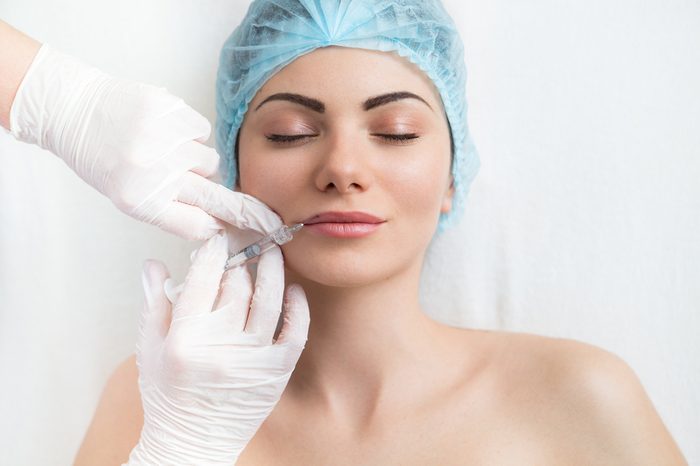
15. Don’t wait until it’s too late to start Botox
Some fine lines and wrinkles are caused by repetitive movements, so starting these treatments early, even in your late 20s and early 30s, may potentially help prevent them or slow their progression, according to Sejal Shah, MD, a cosmetic dermatologist in New York City and founder of SmarterSkin Dermatology. “People are often afraid of injectables because they don’t want to look ‘frozen’ or overdone, but many neurotoxins (Botox, Dysport, Xeomin, and Jeuveau) can look very natural when appropriately placed.” Just be sure to seek treatment from trained individuals, such as a board-certified dermatologist.
- U.S. Food and Drug Administration: “Wrinkle Treatments and Other Anti-aging Products”
- Jerome Garden, MD, a dermatologist and director of the Physicians Laser and Dermatology Institute, Chicago
- Dendy Engelman, MD, a dermatologist at Manhattan Dermatology and Cosmetic Surgery, New York City
- Joshua Zeichner, MD, a dermatologist and director of Cosmetic and Clinical Research in Dermatology at Mount Sinai Hospital, New York City
- Whitney Bowe, MD, a dermatologist and author of The Beauty of Dirty Skin, New York City
- Hadley King, MD, a dermatologist at Dr. Doris Day’s Upper East Side private practice Day Dermatology & Aesthetics, New York City
- Joel Schlessinger, MD, a dermatologist and RealSelf contributor, Omaha
- Sejal Shah, MD, a cosmetic dermatologist and founder of SmarterSkin Dermatology, New York City
Medically reviewed by Originally Published: March 27, 2018

