


50 Things that Are Making You Look Older

Updated: Jan. 31, 2023





Your habits, style choices, and even your attitude are just a few ways you could age yourself. Here are the most common mistakes.
You wear the wrong bra
Wearing the wrong bra size could not only be uncomfortable, but it could also make you look older than you really are. Karen Phillips, the account development team lead at online retailer Jane.com, says the right bra could instantly make you appear taller, thinner, or younger. On the other hand, an ill-fitting bra could change the way your clothes fit and cause you to slouch—both of which instantly age you. Use this bra size guide to make sure you’re wearing the right size.
You wear clothes that don’t fit
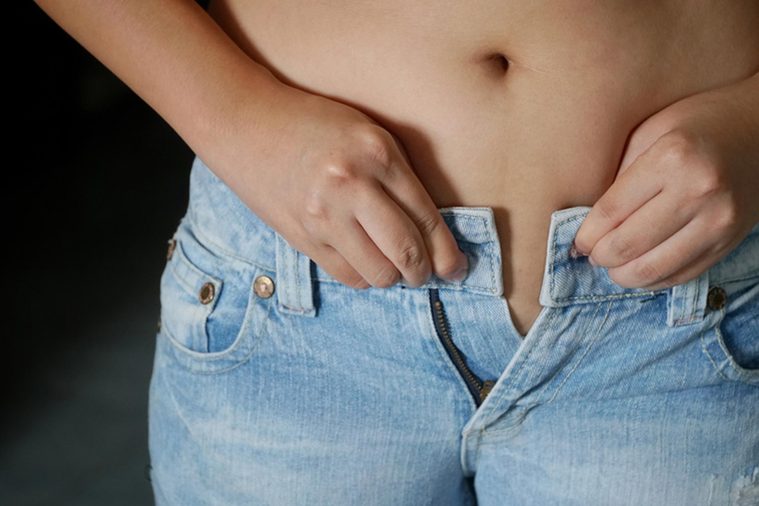
On a similar note, wearing clothes that don’t fit has just as much of an impact as wearing the wrong size bra. Janice Hurley, a professional image expert, says that clothing fit is more important than style or trends. Christie Maruka, a professional wardrobe stylist with more than 30 years of experience, agrees and says tailored clothes look great no matter your age. “I have [clients] try on everything in front of me, and much to their surprise they are covering up their bodies with big, baggy styles that are not flattering to them and add years to their actual age,” Maruka says.
You wear chunky jewelry
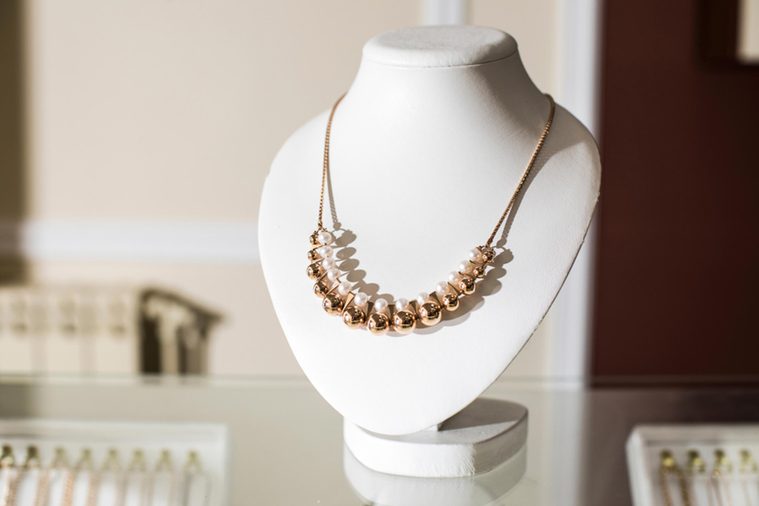
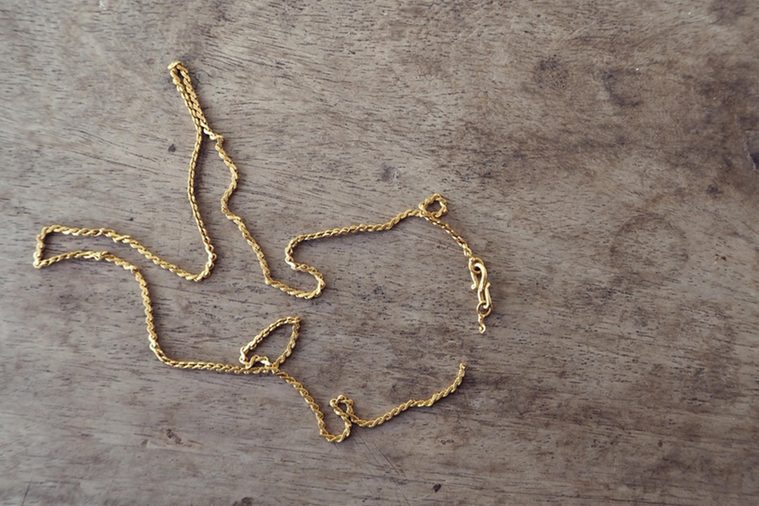
Large, heavy jewelry could also be outdated. Instead, opt for delicate, timeless pieces such as thin chain necklaces or a tennis bracelet. These are the other style mistakes that make you look older.

You are a slave to trends
Holding onto old trends (or jumping on every new one) could date your look. On the one hand, holding onto old traditions and repeating exact outfits from years past shows you haven’t upgraded your look. But overcompensating with every new shoe, bag, or clothing trend isn’t the best solution. Phillips suggests asking yourself two questions before buying a new piece for your wardrobe: Does the item make me happy and how many times a week will I wear this?
You only wear dark colors
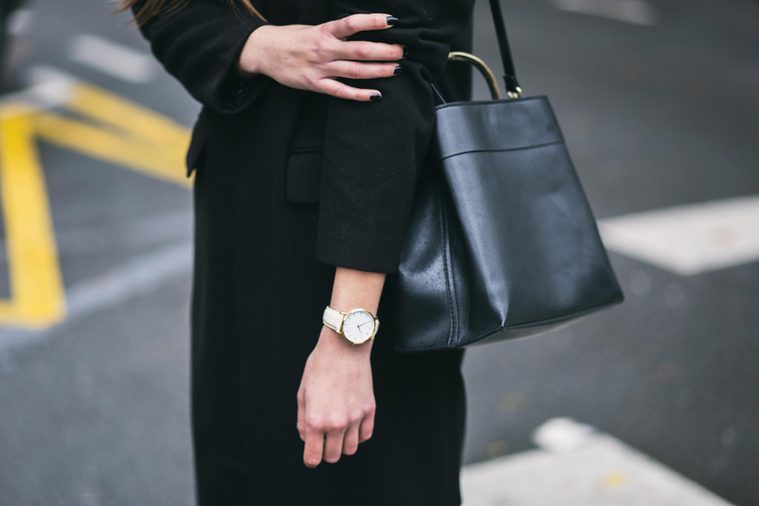
Black is a goes-with-anything staple color. But that doesn’t mean you should always wear it with everything. In fact, sporting brighter less-dull colors could make you look younger.
You wear low heels
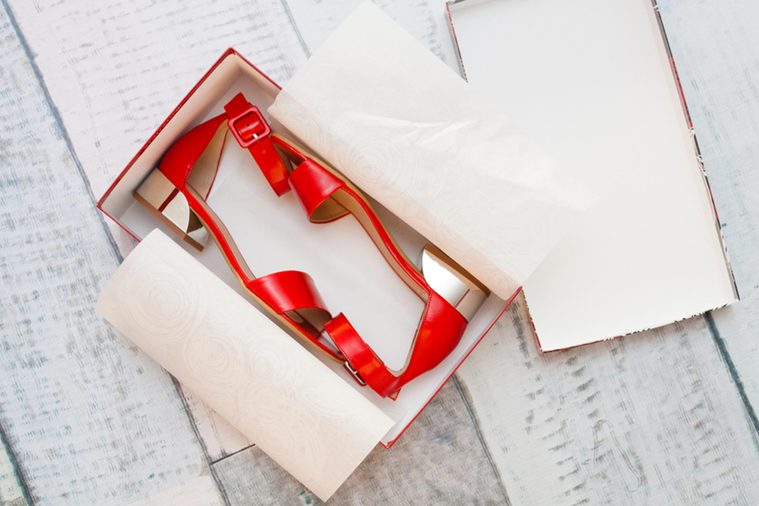
“The more casual your shoes, the older you’re going to look, no matter what else you’re wearing,” says Brittany Allen, an Austin-based freelance fashion and accessories designer who’s worked with Betsey Johnson and whose designs have appeared on Project Runway. Pointed flats or a pump are simple swaps to upgrade your outfit.
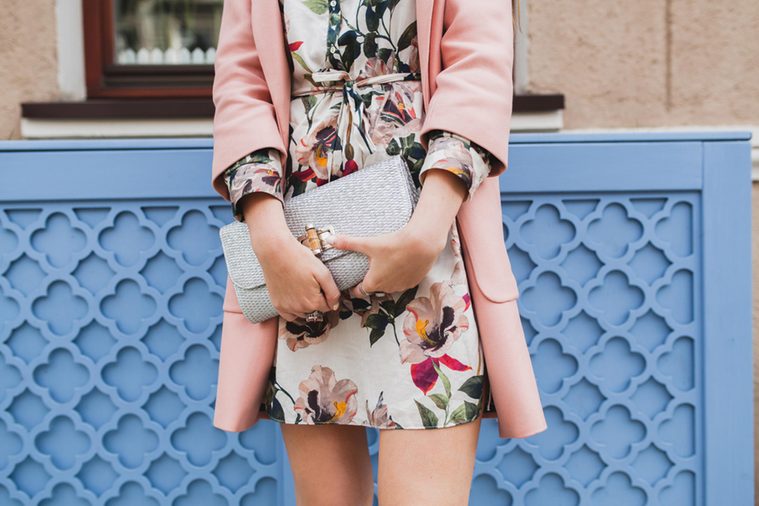
You wear neutral florals
Sometimes, florals could look dated if they are in pale or neutral tones. Instead, Allen suggests sporting patterns in a bright hue for a more youthful look.
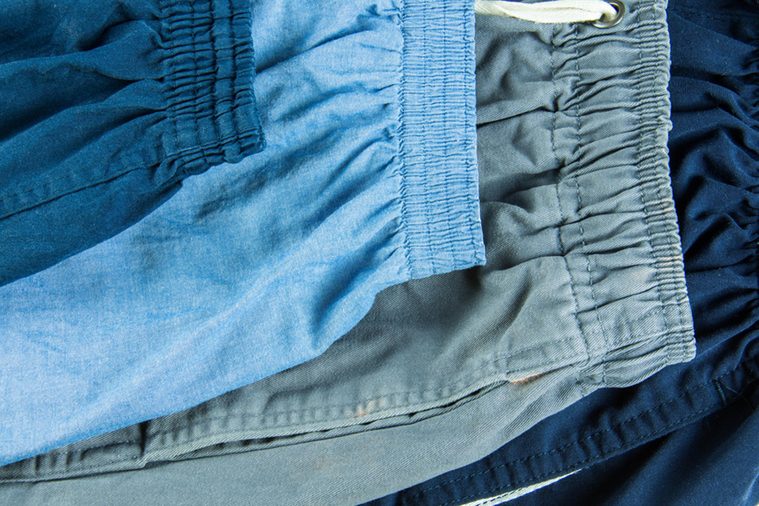
You always wear elastic-waisted pants
Catherine Bachelier Smith, a wardrobe and lifestyle expert and founder of CBS Lifestylist, says to avoid these pants if you want to look younger. “Yoga clothes have become ridiculously comfy, so there’s no need for elastic waistbands,” Smith says. Instead, try wearing yoga pants and other “athleisure” wear that is both comfortable and stylish. Smith recommends pairing these clothes with something tailored for dressy occasions or something fun like a statement t-shirt for casual events.
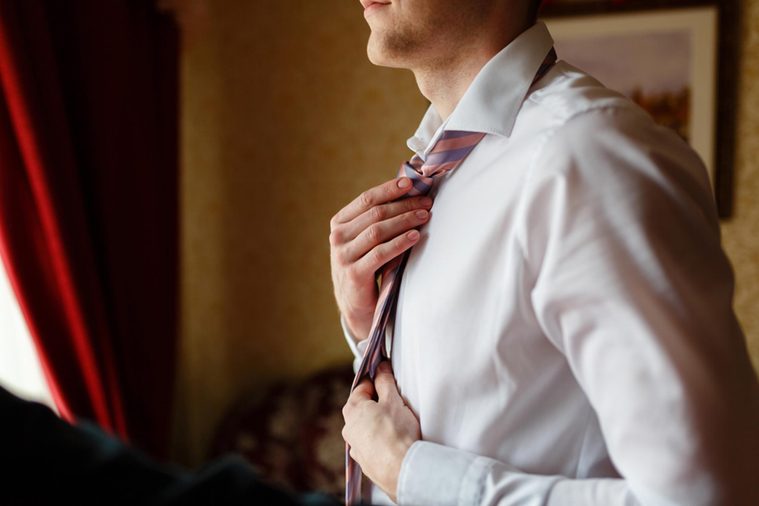
You wear wide ties from a different era
For tie-wearers, Jill Merriman, a networking expert, and coach who works with clients of all ages, suggests investing in a new style—especially if you are on the job hunt. “Gone are the days of the wide, stripped 1970s tie or the 1980s skinny ties,” she says. “Instead, wear a trendy tie such as a current floral print to appear hip and youthful.”
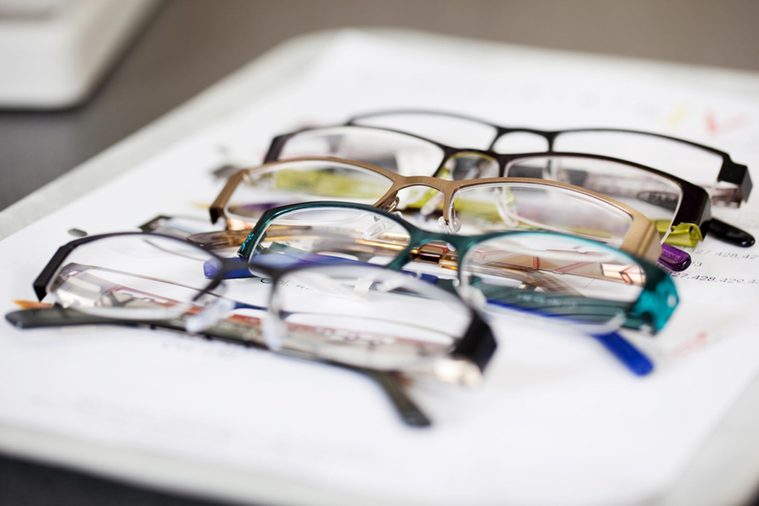
You wear drug-store reading glasses
Think of glasses as an accessory, instead of a necessary annoyance. Wearing drug-store glasses robs you of a chance to experiment and play with new looks.
And you wear those glasses around your neck
“Get those glasses off the chain around your neck,” says Lynne Goldberg, a wedding and event specialist who helps prepare mothers of the bride and groom for the wedding day with everything from wardrobe and hairstyles to attitudes and image. “Take [your glasses] out of your bag or pocket when you need them and put them away when you don’t.”
You pile on foundation
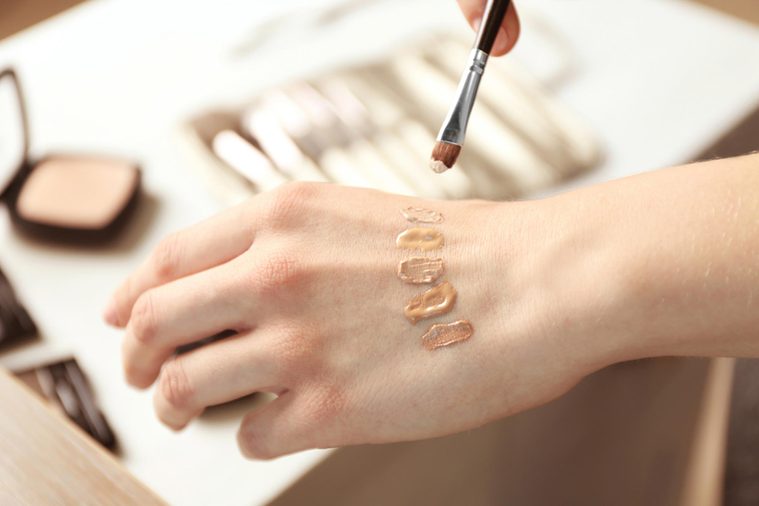
A thick or heavy foundation could do more harm than good. Lighter formulas are better for mature skin since they don’t draw attention to fine lines or wrinkles in the way a face full of foundation does. Here are the other ways your signature look makes you look older.
Or wear the wrong color foundation
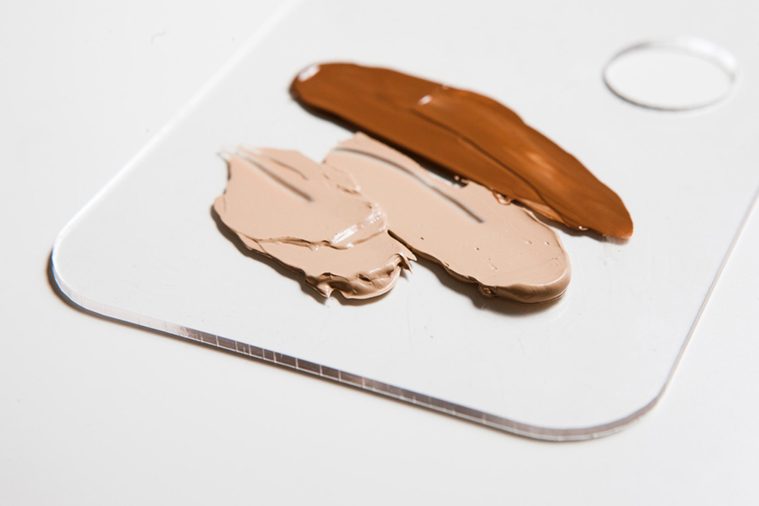
Atasha Jordan, an MD/MBA candidate at the University of Pennsylvania, did theater costume, hair, and makeup for years before school. And she says the wrong color foundation looks terrible on everyone. “Foundation that is the wrong color for your skin can make you look ashy,” she says. “Which takes away from the youthful glow of skin.”
You wear red lipstick
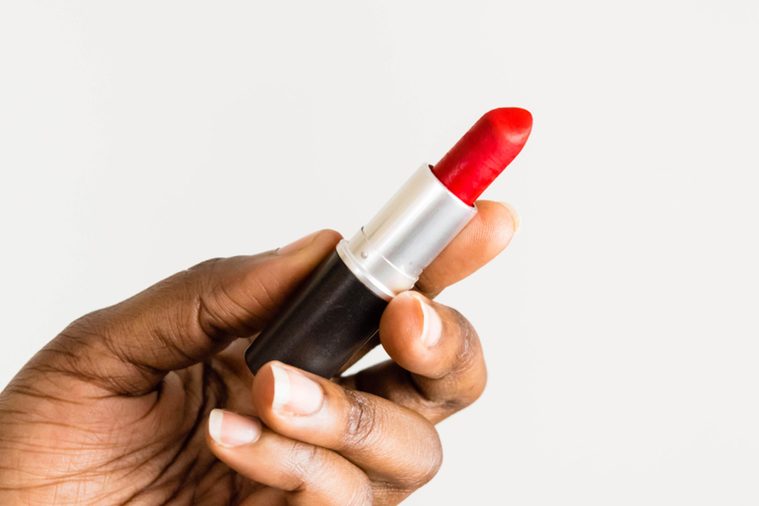
A bright red lip has a time and a place, but this classic look could be dated if it is something you’ve always sported. “People think it’s cute to have this look that is always recognizable as ‘you’ but it’s such a dated idea,” says San Francisco-based makeup artist Julieann Tillman. Plus, red lip color could be too harsh thus highlighting deep lines. And no matter your age, red lips could make teeth appear more yellow.
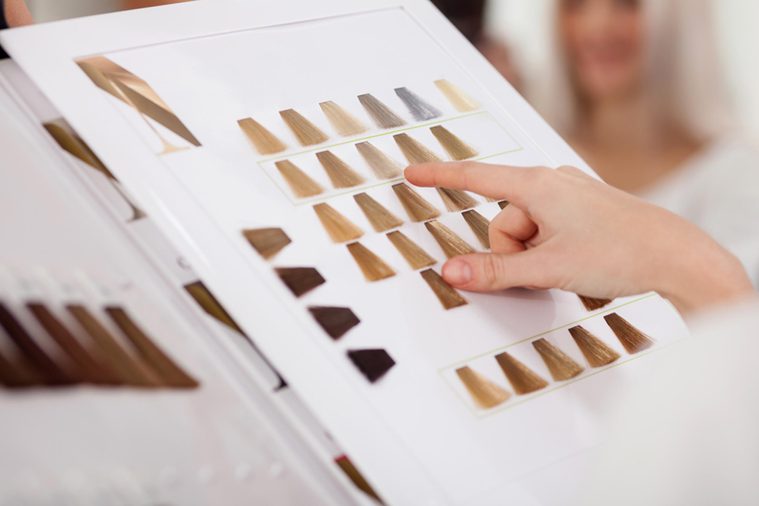
Your hair color clashes with your skin tone
Choosing a hair color that is too dark or too light for your complexion can highlight sallow skin and make you appear even older. Plus, keeping your hair one shade—especially anything darker than brown—can actually emphasize fine lines, says Dayna Durantini, a stylist at Tarro Beauty, in Bloomfield Hills, Michigan. “Choosing a shade that complements your skin tone and lightening it by a shade or two can take years off,” she says. “If you have always had dark hair, I recommend softening your color by adding depth and dimension with highlights around your face.”
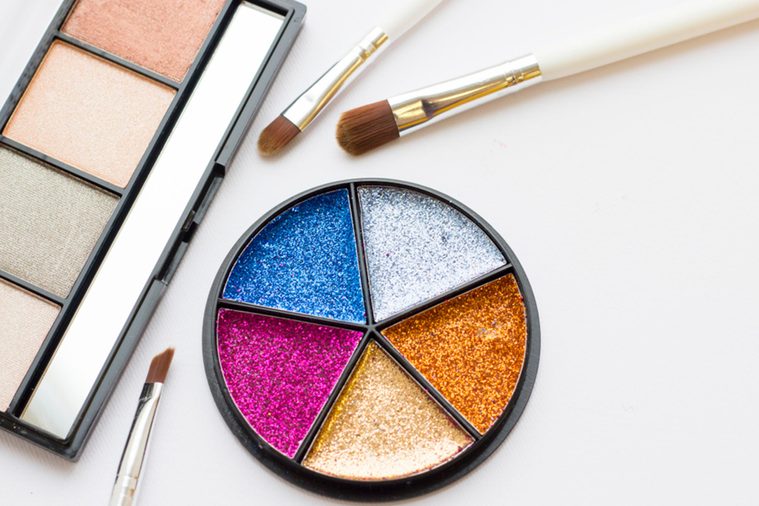
You wear glittery eyeshadow
People with mature eyes should avoid eyeshadow palettes with glitter. “Glitter is to be avoided, unless you are a teenager!” Tillman says. The sparkles could draw more attention to fine lines and overpower your whole look.
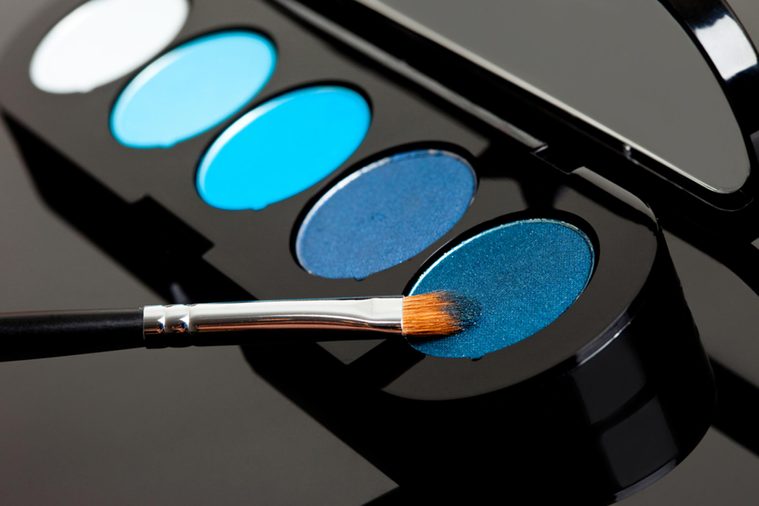
Or you wear blue eyeshadow
For women, wearing 1970s style makeup palettes—featuring different shades of blue—makes you look older, according to Merriman. “Lighten up your eye makeup with nude, subdued colors, and you will look younger and hip,” she says. “People want to do business with hip, fun people. Don’t you?”

You have a deep tan
Skip the tanning beds and sunbathing for a more natural and healthier look instead. “UV radiation and the sun can damage these exposed areas, causing wrinkles and skin laxity,” says dermatologist Purvisha Patel, MD, creator of Visha Skin Care. “Besides using sunscreen, a serum containing ingredients like retinol, vitamins A, and C, ferulic acid as well as a spot-lightening agent can help.” Here are tricks from dermatologists to look younger.
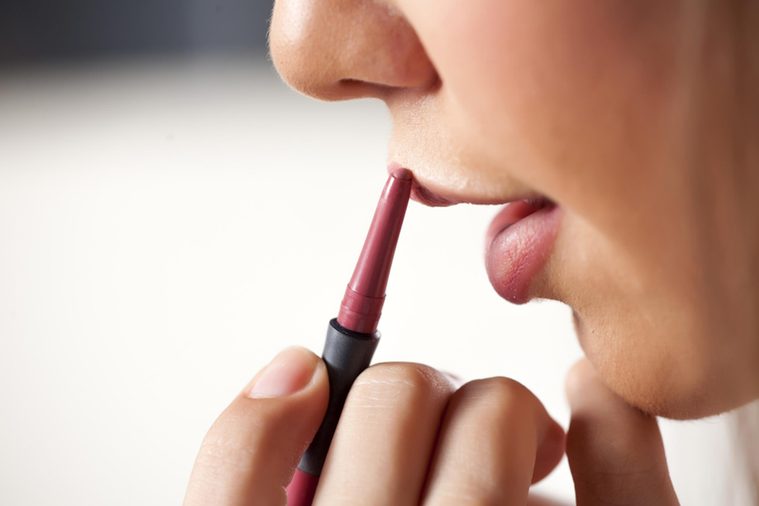
You overdraw your lips
Gone are the days of heavily lined overdrawn lips. The makeup used to widen your pout could easily become a mess once you start eating or drinking—and smudged lips is not a good look.
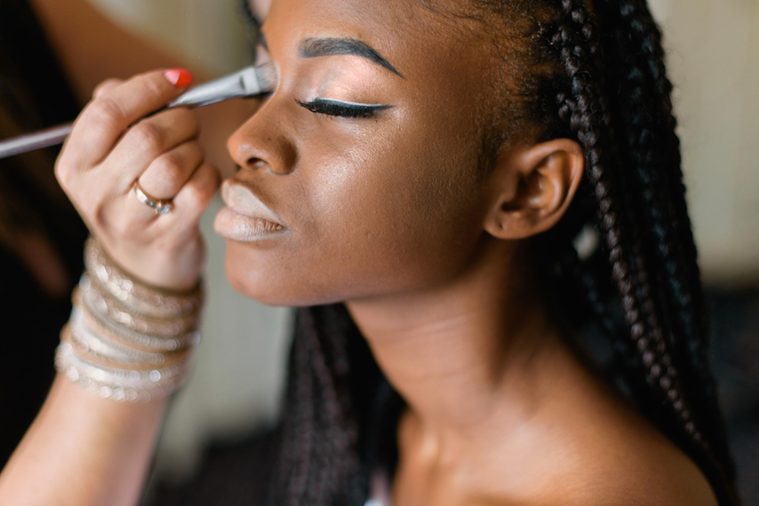
You line your eyes from corner to corner
Raccoon eyes, with liner from corner to corner, is a bad look no matter your age. Plus, liner that runs or creeps into fine lines could make you look older, Genevieve Monsma, founder of MediumBlonde.com told Redbook Magazine. Go for brighter, waterproof formulas of white or nude liners instead.
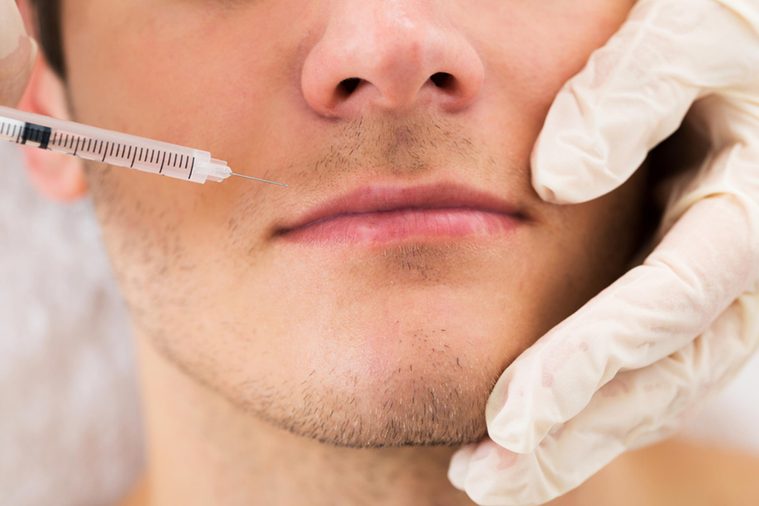
You have cosmetic fillers
Tsippora Shainhouse, MD, FAAD, a board-certified dermatologist in California, says that these popular enhancements could have an opposite effect. “While it is all the rage among young Hollywood to have cosmetic enhancements, the trend for cosmetic procedures in younger patients can actually backfire and make them look older,” Dr. Shainhouse says. “We expect a certain look from cosmetic procedures, and we expect it in a certain age group (e.g., 40-60-year-olds). Interestingly, our brains can assign that older age to a younger person when they register a certain cosmetic appearance.”
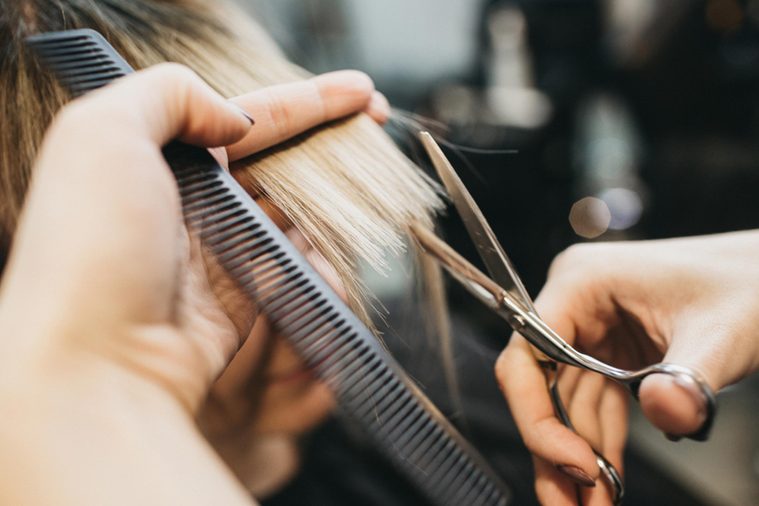
You have the same hairstyle you’ve had for years
If it ain’t broke don’t fix it. But when it comes to your hairstyle, sticking with what you know (or have always done) could age you. Adam Bogucki, the owner of Lumination Salon in Chicago, recommends switching up your cut at least once each decade. Here are the other hairstyle mistakes you’re making that make you look older.
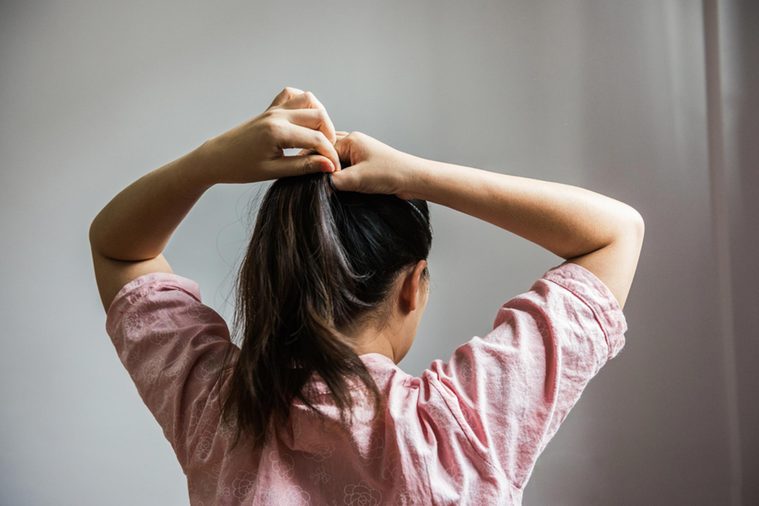
Or you wear your hair in a ponytail
Tugging your hair back into a ponytail could lead to traction alopecia, or a receding hairline, Oprah.com reports. Try opting for a loose low bun instead to give your scalp a break.
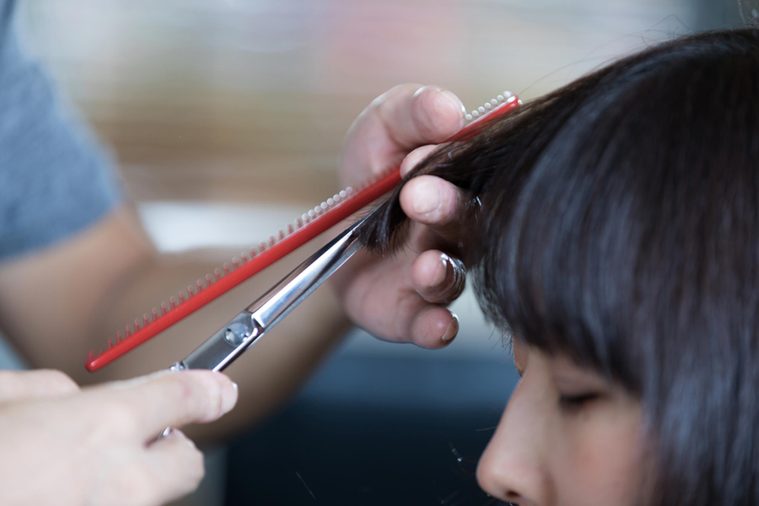
Your bangs are too blunt
Bangs might seem like a great solution to cover fine forehead lines. But Bogucki says they could be too harsh thus dulling your overall look. Opt for light, wispy bangs instead.
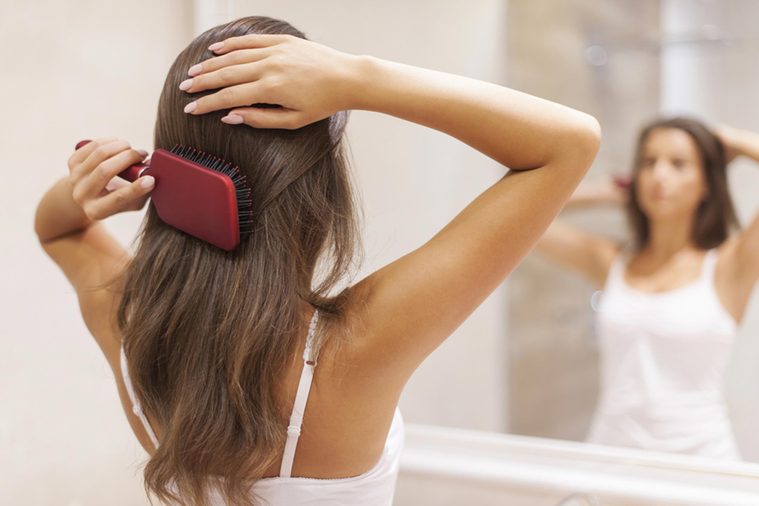
You part your hair the wrong way
Parting your hair straight down the middle could look dated. Bogucki suggests an off-center side part instead which could take years off your look.
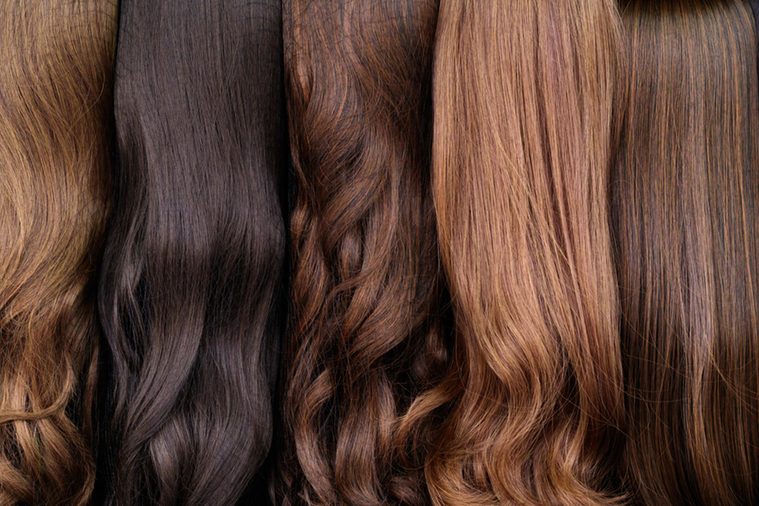
You wear the wrong wig
Jordan says a bad wig could add more than ten years to your look if you choose the wrong one. “Many women, especially in the Black community, use wigs as easy or go-to hairstyles,” she says. “A bad wig is one that doesn’t frame your face well, changes your hairline, and looks cheap.”

You have poor posture
Good posture could make you appear younger and more alert. Plus, having a hunch back or slumping over your desk isn’t good for your spine. Yoga, Pilates, and even ballet could help you with postural awareness and the principles of alignment. These are other exercise mistakes that make you look older.

You don’t exercise
The benefits of a workout out are almost neverending. And if you skip out on regular exercise, you are missing an opportunity to increase blood flow, nourish your skin, and make your skin look healthier and younger. One Canadian study specifically found that exercise can not only prevent but reverse the signs of aging in the skin. Another study published in the journal Preventative Medicine found that people who exercised the most appeared nine years younger than those who were sedentary.
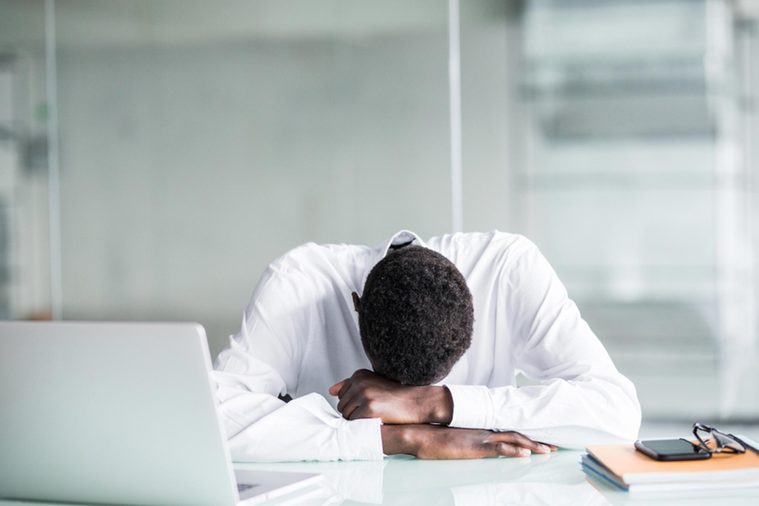
You’re always stressing
Stress could lead to accelerated aging on a cellular level, Forbes reports. And healthy behaviors that reduce stress and positively impact aging sometimes take a back seat when people are stressed. One study also found that releasing emotional stress could help you avoid cognitive impairment and keep your mind young.
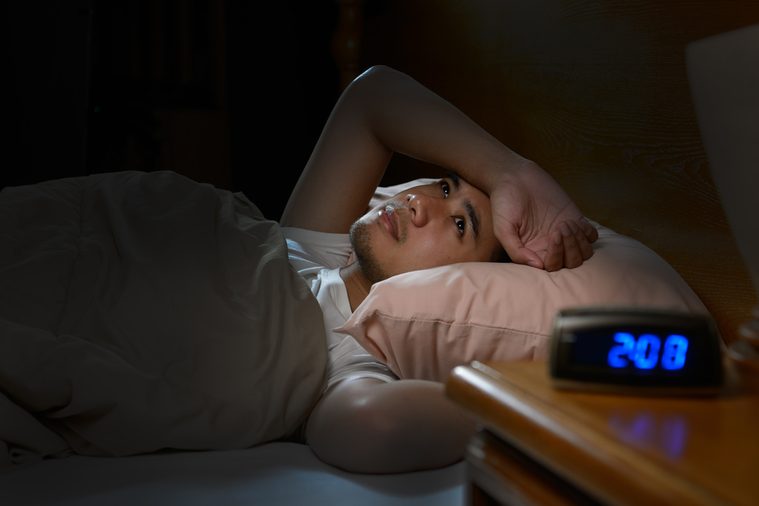
You don’t get enough sleep
Depriving yourself of sleep could do more harm than good for your health and your appearance. A study conducted by physician-scientists at the University Hospitals Case Medical Center looked at women with poor versus quality sleep. They found that those who snagged less slumber showed increased signs of skin aging, including fine lines, uneven pigmentation, slackening of skin, and reduced elasticity. These are the other daily habits that are making you look older.
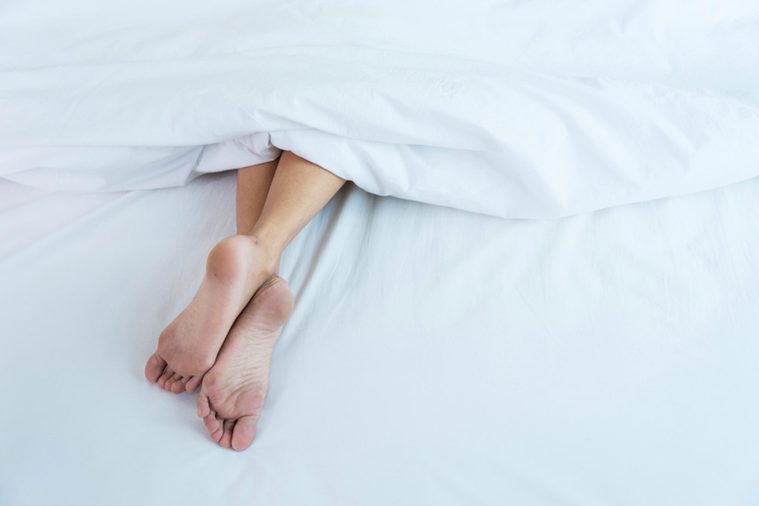
You sleep on your belly
One study found that sleeping on your stomach could have a significant impact on your face. The study, published in the Journal of Cosmetic and Laser Therapy, found that belly sleepers are more likely to develop crow’s feet and smile lines around the mouth. Plus, sleeping in this position could also blunt the sharpness of your nose over time.
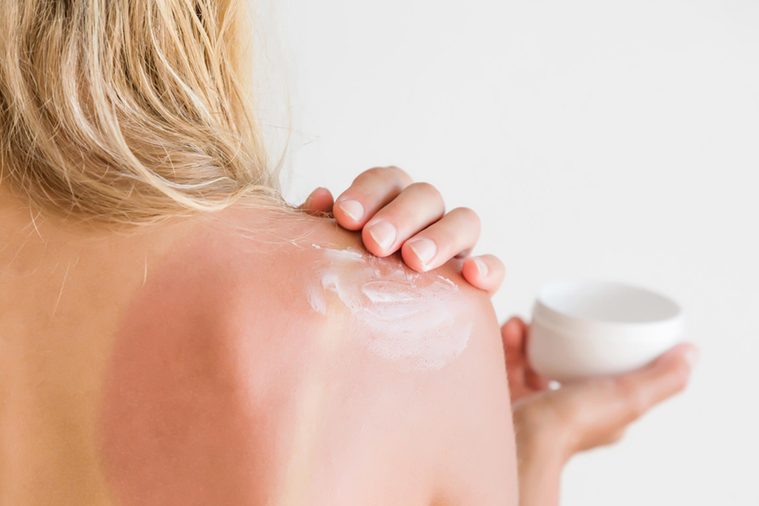
You don’t moisturize your skin
As people age dry skin is more likely, so a strong moisturizer is key. Christine Choi Kim, MD, a dermatologist in Santa Monica, California, says a sleep mask could be a simple solution. She suggests also wearing it over an anti-aging serum. Here are other ways dermatologists wake up with younger-looking skin.
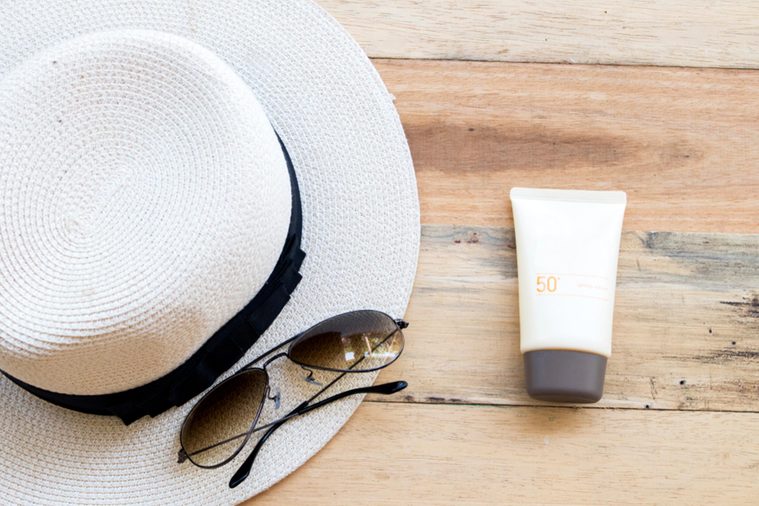
You don’t take care of your skin in general
Taking care of your skin doesn’t stop at moisturizers. Dark circles, pale skin, puffy eyes, and wrinkles are a few ways your skin could show your age. Remember, your best weapon for fighting skin aging is sunscreen—and you should be wearing it all year round to prevent wrinkles and protect your skin from the sun’s rays.
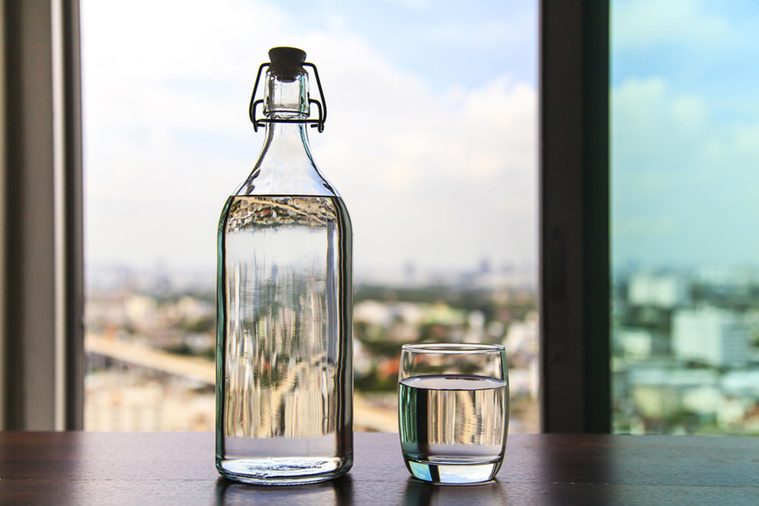
You don’t drink enough water
Similarly, dry skin could also be due to a lack of hydration. Our body is mostly water, and our skin is our body’s biggest organ—so we need to keep hydrated to avoid it looking dry and dull, and creating wrinkles. “The more hydrated you are, the more plump, subtle, and youthful your skin will appear,” says fitness and nutrition expert Erin Palinski-Wade, RD, CDE, author of Belly Fat Diet For Dummies.
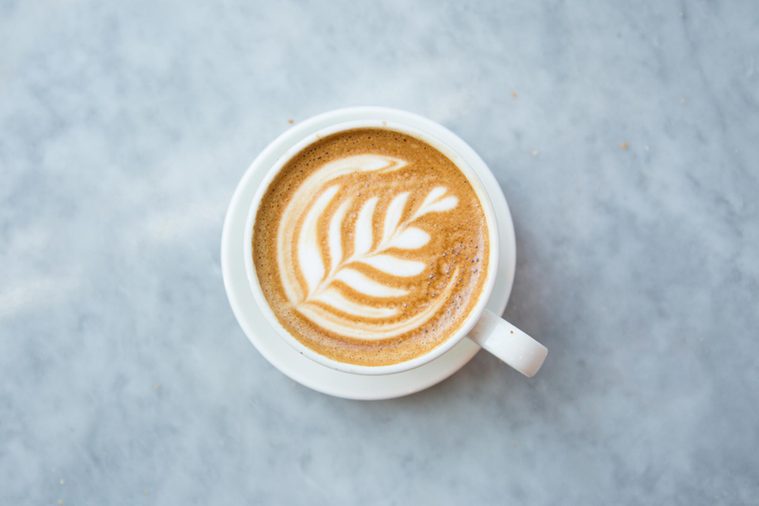
You drink too much coffee
New York City dermatologist Dr. Deborah Wattenberg told TODAY that coffee could have a poor impact on your skin. “Alcohol and caffeine … act like a diuretic and prevent you from holding on to water, so your skin looks sort of prune-like. It can get dry and get washed out,” Dr. Wattenberg says. This reinforces the importance of hydration for your skin.

You don’t eat enough fruits and veggies
Eating healthy for your overall health and wellness could benefit your skin too. And studies show that fruit and vegetable consumption may represent the most healthy and safe method to maintain a balanced diet and youthful appearing skin. Here are the foods that prevent wrinkles.
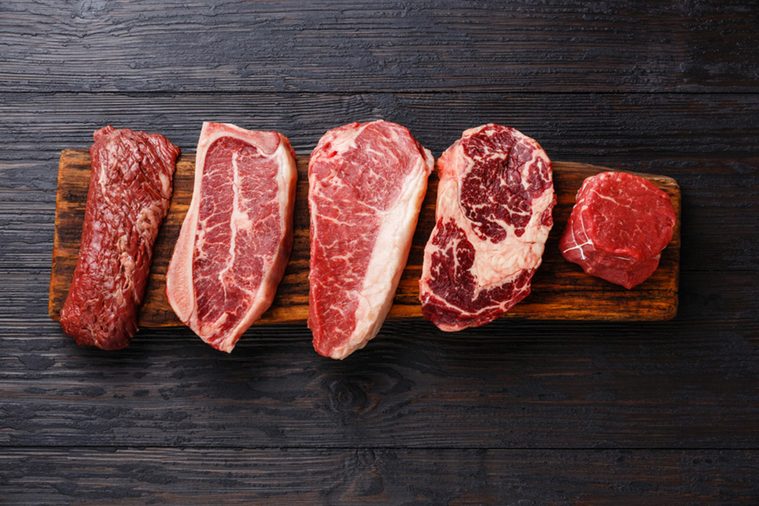
You eat inflammatory foods
Eating a diet filled with high-inflammatory foods could wreak havoc on your skin. Foods such as red meat, white bread, and processed treats can cause inflammation-based premature aging. Julia Hunter, MD, dermatologist and founder of Wholistic Dermatology, says non-food products that cause inflammation are also a major cause of disease and aging. This includes products with ingredients such as artificial colors and fragrances, artificial preservatives, and more contribute to accelerating aging and deteriorating skin and body health.
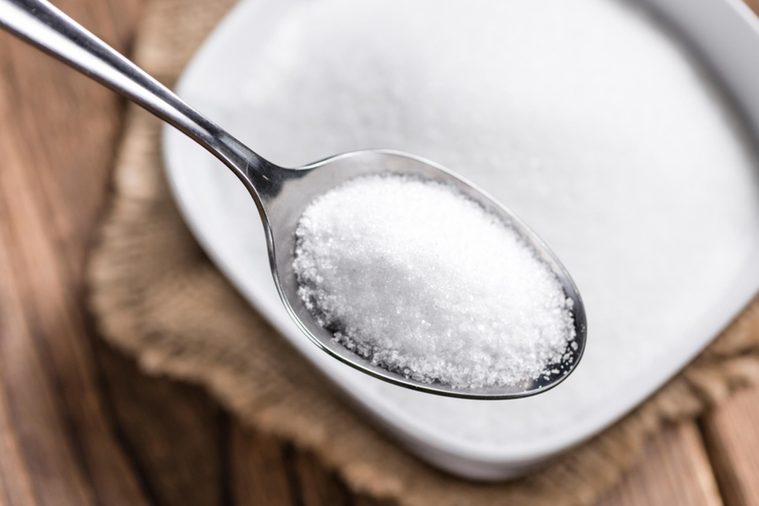
You overeat sugar
Similarly, eating sugary and starchy foods can spike blood sugar levels leading to inflammation and breakouts, Men’s Health reports.

You don’t eat enough protein
Strong, healthy, and youthful looking hair means eating a healthy diet—and eating an adequate amount of protein. In fact, protein mostly makes up hair follicles. Research shows that a lack of protein in the diet promotes hair loss.
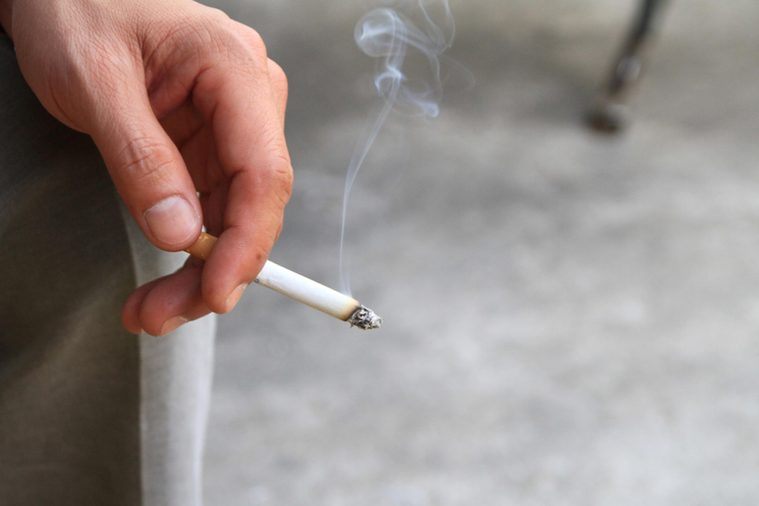
You smoke
Yes, there is yet another reason not to smoke—your looks. One study published in Plastic and Reconstructive Surgery compared the facial features of twins—one of whom smoked while the other did not. They found that those who did smoke had bigger eye bags, more lip wrinkles, and jowls. Plus, the chemicals in the cigarettes could decrease the rate of collagen production necessary for supple skin.

You live in a highly-polluted area
Air pollution and toxic fumes could cause premature aging, The Guardian reports. People living in urban areas are the most at risk. High exposure to chemicals and particles called PMs, increase age spots and wrinkles. One German study found that women living in areas with high levels of soot and traffic-particle emissions had 20 percent more skin spots than those who didn’t, according to Health.

You are always looking at your phone
Yes, your smartphone could be damaging your skin and making you look older. A study conducted by researchers in Nice, France found that blue-violet light creates more hyperpigmentation and age spots on the skin that lasted up to three months.

You watch too much TV
Not only could squinting at the TV screen cause wrinkles, but some research shows that watching lots of TV could shorten your life. A British Journal of Sports Medicine study found that for every hour of television watched, adults cut their life expectancy by 22 minutes. Plus, the same light from cellphones that causes age spots could also come from your TV.
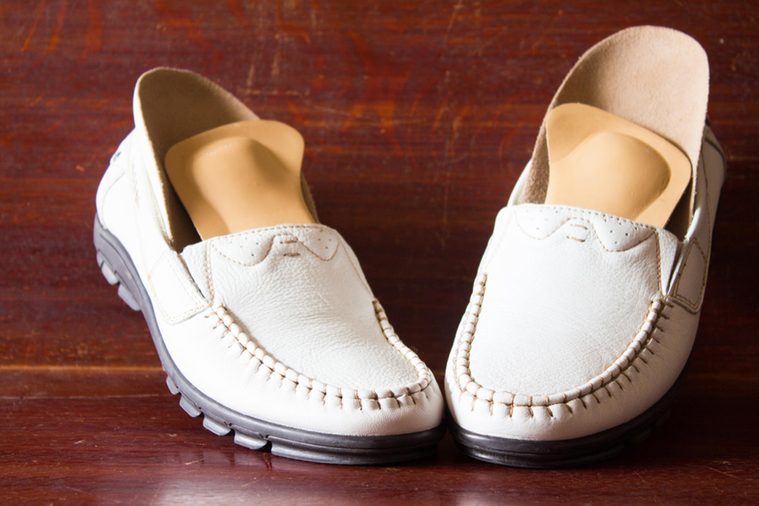
You wear orthopedic shoes
Clunky, orthopedic shoes might be comfortable, but they could also make you look older. Style expert Sharon Haver, founder of FocusOnStyle.com, says it is worth trying on tons of different styles and fits to find one that works for you. Remember, however, that there isn’t a universal rule for heel or shoe height—just make sure to experiment.
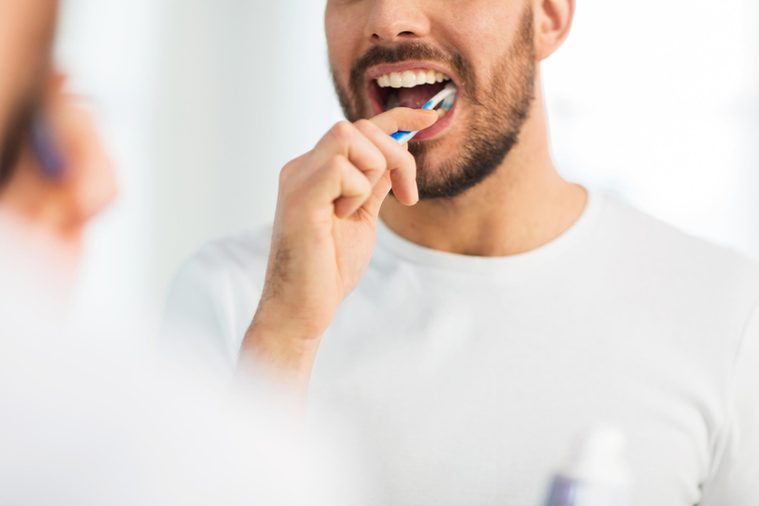
You have yellow teeth
Teeth naturally yellow with age, but that doesn’t mean you should give up on taking care of them. Flossing, mouthwash, regular brushing, and safe teeth whitening products could keep your teeth healthy and youthful-looking. These are the golden rules for white, healthy teeth.
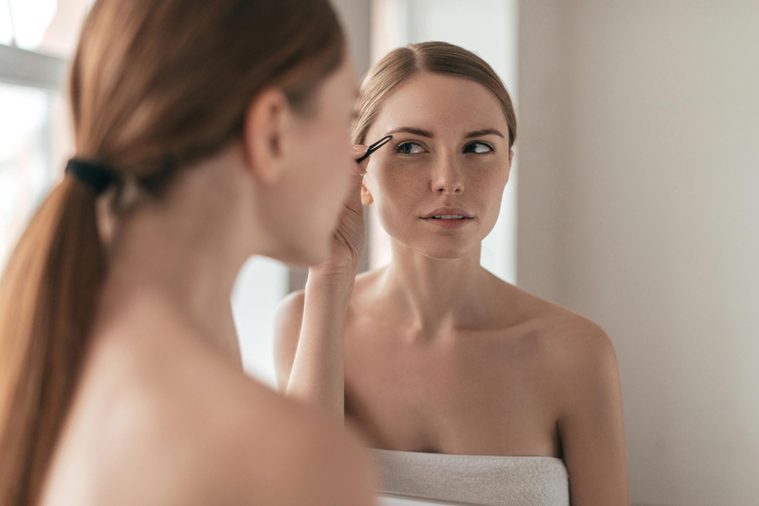
You over-pluck your eyebrows
Eyebrow trends come and go, but thin brows are especially dated compared to the full thick brows of today. Fuller brows could also give a more youthful appearance. If you are guilty of over-plucking in the past, a little brow liner could make a world of difference.
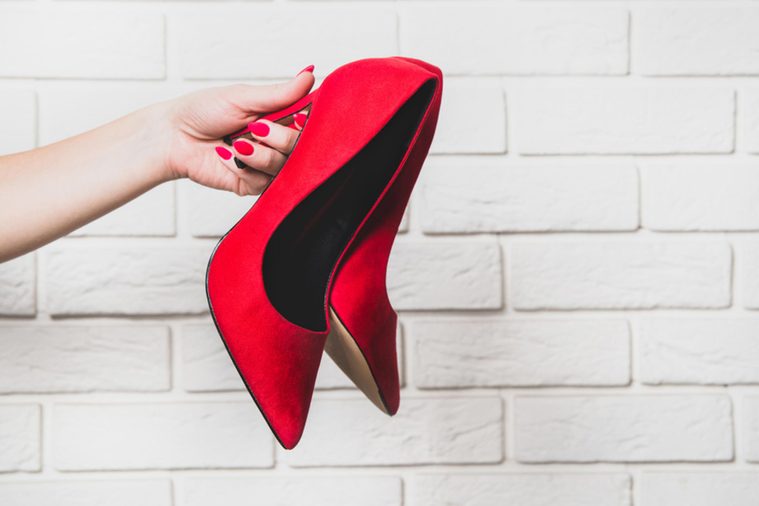
You only wear “age appropriate” clothes
Another common dressing mishap is sticking with your “classic” or “appropriate” looks. But remember fast fashion is not the same as having style. Try taking subtle risks and don’t let your age hold you back from sporting what you feel confident wearing, celebrity stylist Kemal Harris told Redbook Magazine.
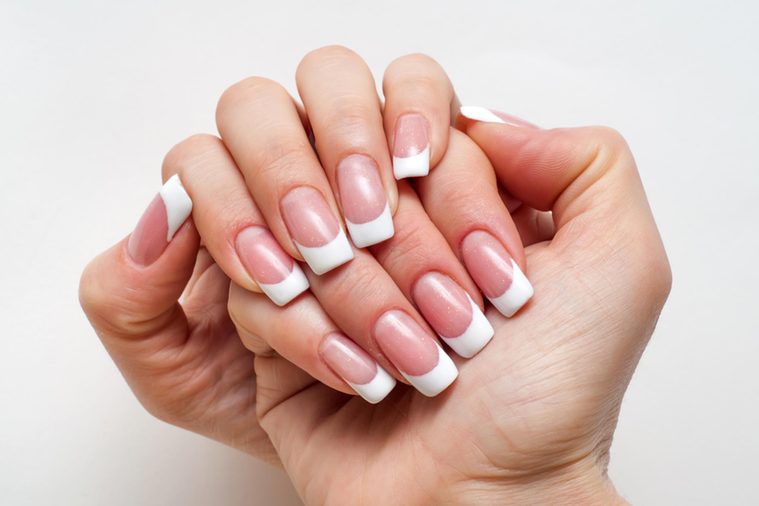
You have your nails in a square shape
Avoid nail shapes that are too narrow or wide. Instead, ask for an almond shape during your next salon visit. “It’s delicate, its soft, and it makes hands appear more youthful, especially when painted a flesh tone instead of your traditional sheer pink or French manicure,” says Jenna Hipp, clean beauty expert and celebrity nail stylist who has worked with Emma Roberts and Michelle Williams. These are other beauty tricks to look younger.
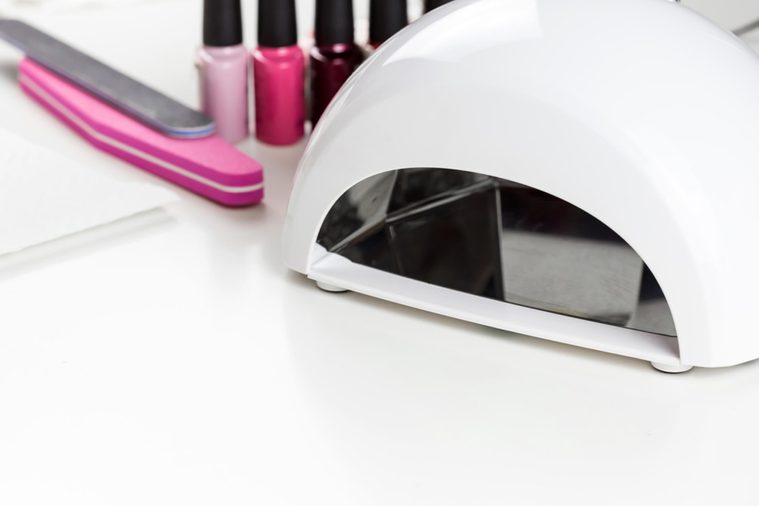
Or you opt for gel manicures
Gel manicures are great for longer-lasting polish—but the UV rays emitted from the curing machines could last for years, Health reports. According to a study in JAMA Dermatology, researchers found the amount of UV rays emitted from these machines over the course of three years could result in damage to the skin’s DNA.
You have a bad attitude
Being pessimistic could make you seem older. “Assuming that your best years are over is a very dangerous idea—and one that becomes a self-fulfilling prophecy if you let it,” says Robi Ludwig, PsyD, author of Your Best Age is Now. “You will seek out reasons that it’s true in order to make yourself right.”
Originally Published: March 26, 2019

