


5 Brain-Boosting Foods That Will Make You Smarter
Updated: Oct. 02, 2023





You are what you eat, as the saying goes. And if you add these foods to your diet, your brain could see serious results.
“Brain food” isn’t just a cute saying or an advertising ploy—it’s a scientific fact that eating certain foods can boost your brain health. In a 2023 study, older adults who ate a diet high in healthy fats showed better scores on tests of memory and had larger brain structures (when it comes to brains bigger is better!). And that’s just one recent example.
“We have decades of research showing that eating a nutritious diet—particularly one rich in healthy fats and high in antioxidants—protects the brain, reduces cognitive decline, and lessens the effects of stress,” says Taz Bhatia, MD, a doc who specializes in nutritional medicine and author of What Doctors Eat. “Not only can it make you smarter but eating these foods has been proven to reduce the risk of mild cognitive impairment progressing into Alzheimer’s disease. So if you have a family history of Alzheimer’s, eating these foods daily is an excellent way to begin protecting yourself.”
She adds that the reverse is also true: Eating a lot of junk food and sugary drinks harms your brain and your cognitive functions.
“When it comes to brain health, what you eat really matters,” she says.
Alton Brown’s #1 Best Recipe for a Sharper Brain
How to eat more brain foods
While some foods are “medicine” for your brain, it’s the effect over time that makes the biggest difference, Dr. Bhatia cautions. So eating a handful of blueberries once isn’t going to do much—instead you should try to include at least two brain-boosting foods in your diet every day.
Not sure how? One of Dr. Bhatia’s favorite tricks is to make a daily smoothie packed with brain-boosting foods. “One of my current go-to recipes is to blend up 2 ½ cups of water, 3 small celery stalks, 1 green apple, cut-up, 1 lemon cut in half and freshly squeezed and ½ cucumber,” she says. “Each of those ingredients has been shown to protect the brain and increase cognition.”
Along with rounding up nutritional research, we asked Dr. Bhatia to share with The Healthy @Reader’s Digest what foods she recommends for brain health and her favorite “smart snacks”.

1. Olive oil
Olive oil is one of the most versatile brain foods, making it one of Dr. Bhatia’s personal favorites. Whether you’re using it as a base in sauces, a light dressing on salads or for roasting veggies, it provides a host of benefits for your brain. “We’ve found that it specifically reduces cognitive decline in adults, helping you stay sharper as you get older,” she says. The latest research from Harvard provides evidence for this potent claim.
New Harvard Study: In Addition to Its Heart Benefits, Olive Oil May Reduce Dementia Risk by 28%
2. Oranges
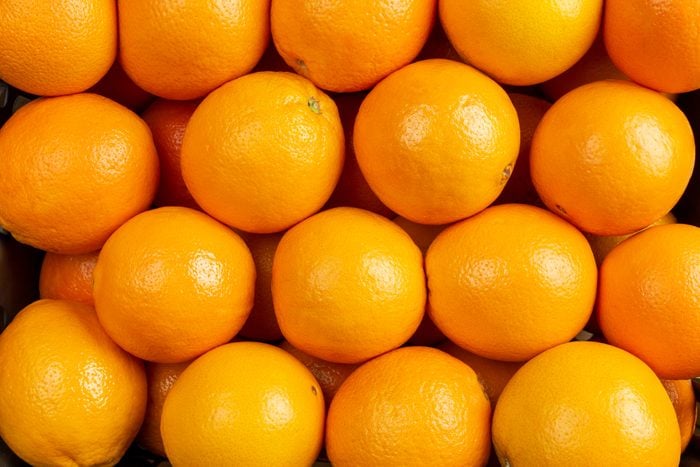
Citrus fruits, including lemons, oranges, limes and grapefruits are all high in brain-boosting nutrients. “Citrus is high in beta-carotene, flavonoids and vitamin C and adding more of these into your diet can help prevent oxidative stress,” she says. Oxidative stress is bad for your brain, causing damage to neurons and can speed up the progression of dementia and even Alzheimer’s disease, she explains. An earlier study of nearly 6,000 men backs up that claim: Subjects who ate more beta-carotene showed better general cognition, verbal memory and category fluency.
Don’t love oranges? Try one of these 9 Foods With More Vitamin C Than an Orange.

3. Leafy greens
Tossing a handful of spinach into your breakfast smoothie or a bunch of kale into your stir-fry is a simple hack for a smarter brain, Dr. Bhatia says. “Leafy greens are full of antioxidants, polyphenols, vitamins and other compounds that are healthy for your brain,” she says. “Over time, damage from free radicals impairs your brain and eating more greens helps reverse that.”
11 Benefits of Spinach That Will Convince You to Eat More Leafy Greens
4. Blueberries
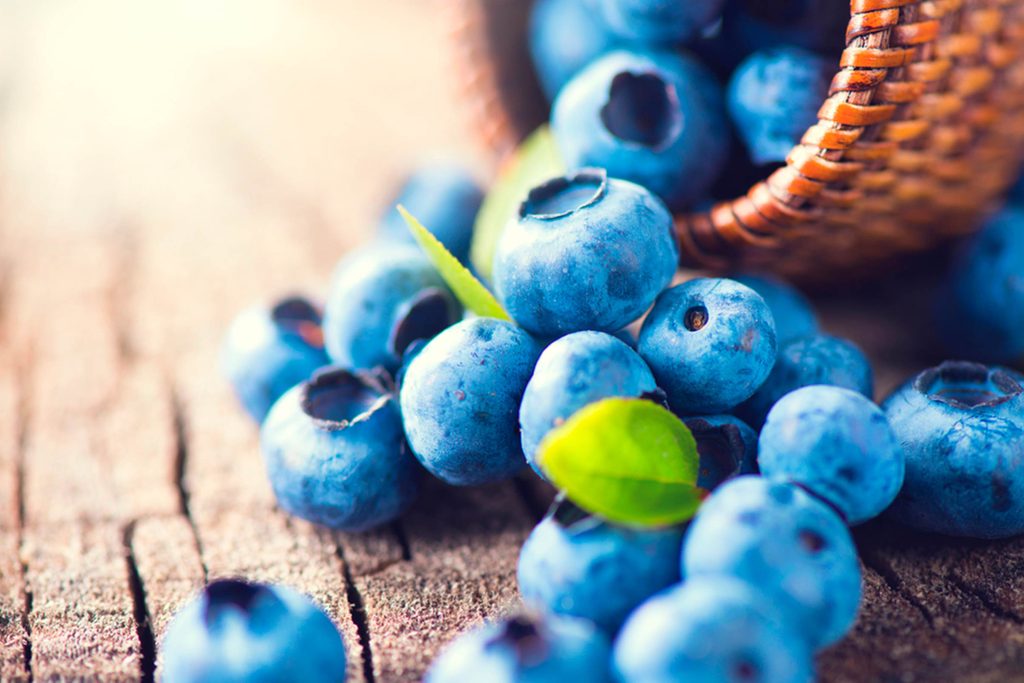
This tiny but powerful berry helps protect the brain from oxidative stress and may reduce the effects of dementia. In a 2016 study, researchers gave a group of adults with mild cognitive impairment—a risk condition for Alzheimer’s—freeze-dried blueberry powder daily, while another group took a placebo. After 16 weeks, those who ate the blueberry powder (the equivalent of one cup of blueberries) had improved memory, better cognitive performance and increased brain activity. Your everyday habits may also reduce your risk of Alzheimer’s.
5. Coffee
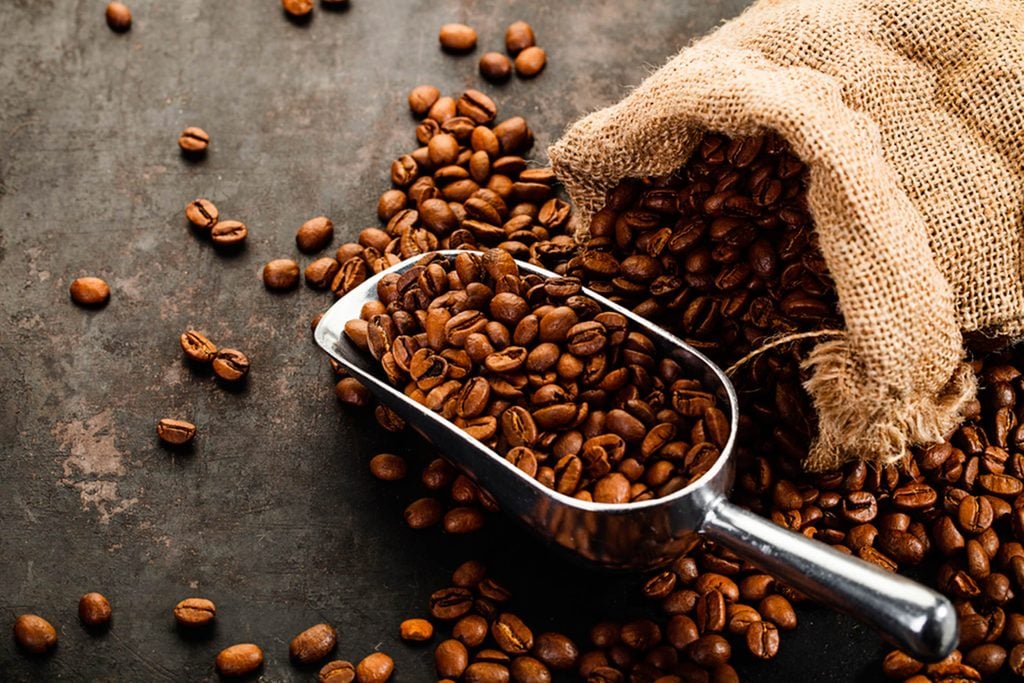
A cup of coffee before a big exam can help your brain perform at its best. That’s because caffeine improves short-term memory and speeds up reaction times. Researchers from the National Institute on Aging found that individuals who drank more caffeine had better scores on memory tests, which explains why has been linked to a lowered risk of Alzheimer’s disease. It can also help prevent Parkinson’s disease and relieve headache pain. But don’t overdo it—too much caffeine can make you jumpy or irritable. Look out for the signs that you’re drinking too much coffee.
New Study: This Hot Beverage May Delay Onset of Alzheimer’s Disease
6. Nuts and seeds
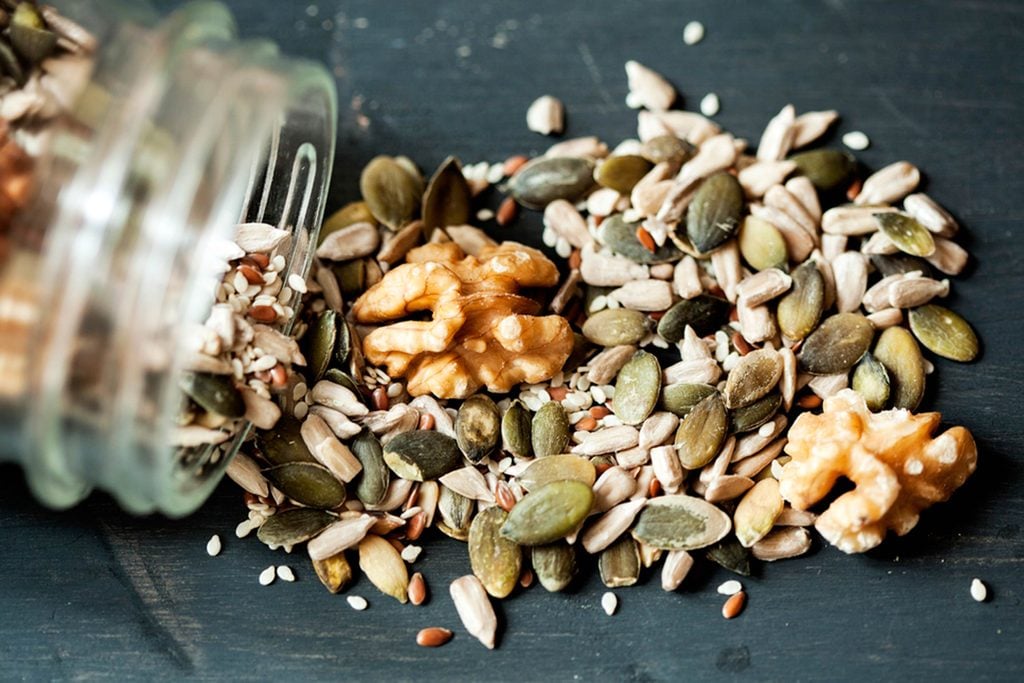
Nuts and seeds are terrific sources of vitamin E and healthy Omega-3 fatty acids, which can help prevent cognitive decline as you age, Dr. Bhatia says. Other vitamin E-rich foods include eggs and cooked veggies. And it’s not just your brain that benefits from nuts; your heart will be happier too. Almonds, walnuts, cashews, Brazil nuts, pistachios, and peanuts have been linked to a decreased risk of cardiovascular disease, and chia seeds and flaxseeds have been linked to maintaining healthy cholesterol levels.
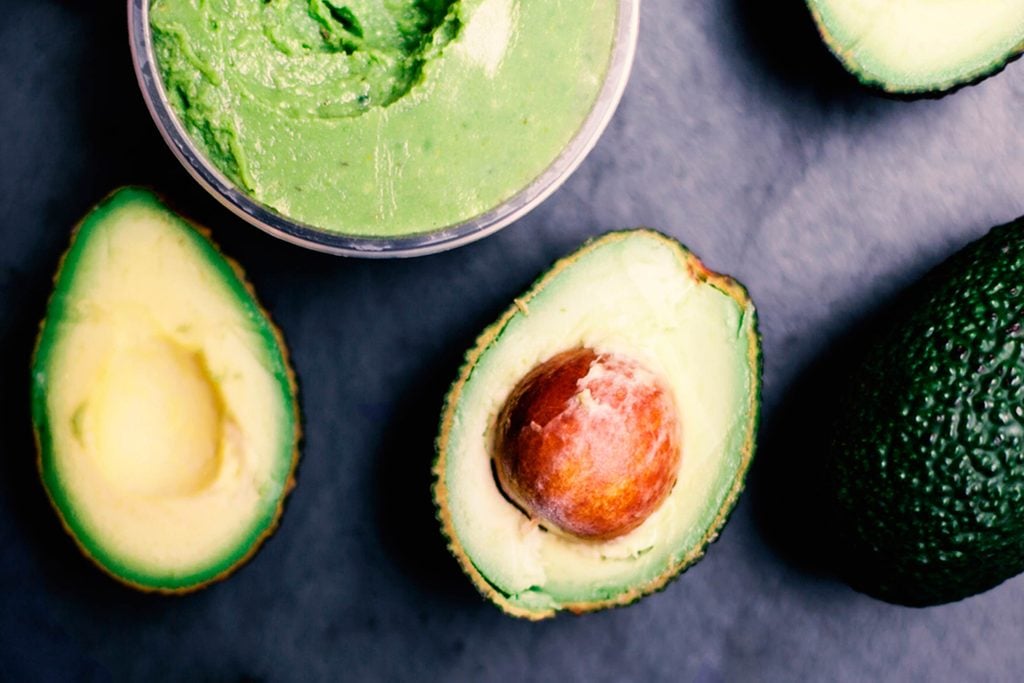
7. Avocado
Avocados are rich in monounsaturated fat, which contributes to healthy blood flow. This helps every organ in your body—particularly the brain and heart. Avocados also lower blood pressure, thanks to their potassium. Because high blood pressure can impair cognitive abilities, lower blood pressure helps to keep the brain in top form. The fiber in avocados also reduces the risk of heart disease and bad cholesterol.
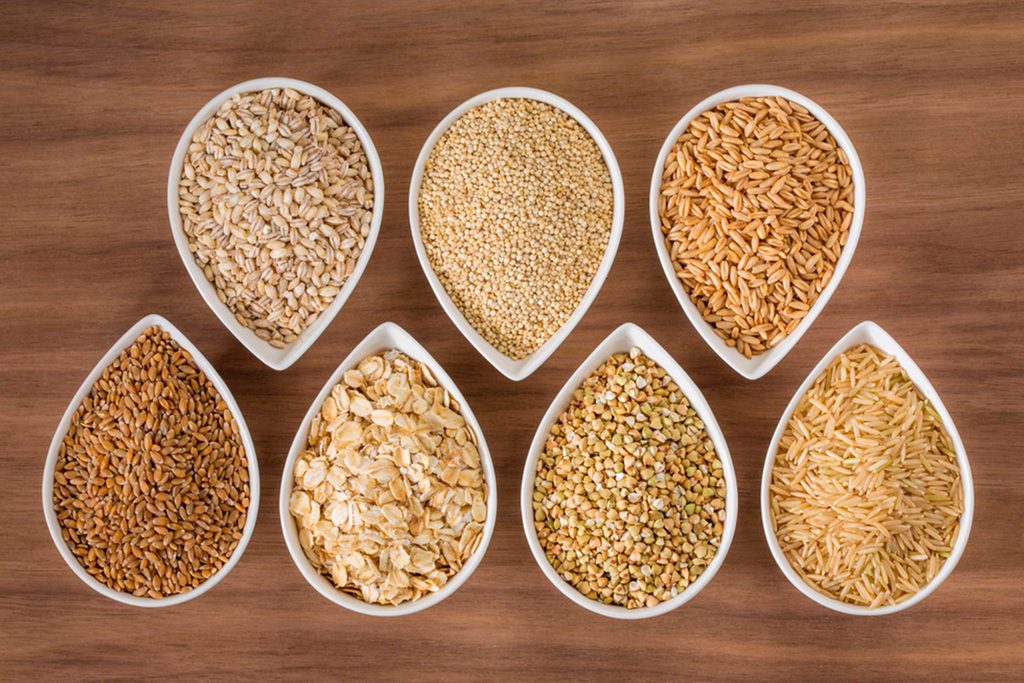
8. Whole grains
Whole grains, like brown rice, whole wheat, oats and barley, boost cardiovascular health, which in turn enhances the flow of blood to the brain, helping you think better on your feet, Dr. Bhatia says. They contain more intact nutrients than processed white flour, including vitamin E, antioxidants, and fiber. When these work together to increase blood flow, the integrity of brain cells is better preserved. In a study of 2,958 adults in the U.S., those eating the most whole grains were 28% less likely to develop all-cause dementia and were 36% less likely to develop Alzheimer’s dementia over the 12-year study period. To keep your brain sharp, go beyond your diet and incorporate these healthy habits into your routine.
Get The Healthy @Reader’s Digest newsletter and follow The Healthy on Facebook and Instagram. Keep reading:
- Queen Latifah: ‘Obesity Isn’t a Choice’
- This Artificial Sweetener Can Permanently Damage Your DNA, New Study Says
- Can Dogs Eat Watermelon? Here’s the Juicy Verdict, from Veterinarians
- I Took Magnesium to Help Me Sleep for a Month—Here’s What Happened
Additional writing and reporting by Charlotte Hilton Andersen.
