


How to Get Rid of Hiccups: 10 Tricks That Could Work

Updated: Feb. 08, 2023





These spasms of your diaphragm muscle are not harmful, but until you find a hiccups cure, they can drive you nuts. So when you're desperate to know how to get rid of hiccups, try these tricks.

What are hiccups?
When the dreaded hiccups kick in, it’s because your diaphragm—the big muscle that helps your lungs pump—spasms or contracts briefly followed by your vocal cords quickly closing and triggering the signature hiccup noise, according to US National Library of Medicine. Anything from overeating or drinking carbonated beverages to swallowing air while chewing gum could cause hiccups. Although science knows what a hiccup is, scientific hiccup remedies are more of an enigma. There isn’t a ton of research on the effectiveness of hiccup remedies, but many have years of anecdotal evidence behind them. Some of the popular treatments could stimulate nerves connected to your diaphragm. Here are the tricks for how to get rid of hiccups that might be worth a try.
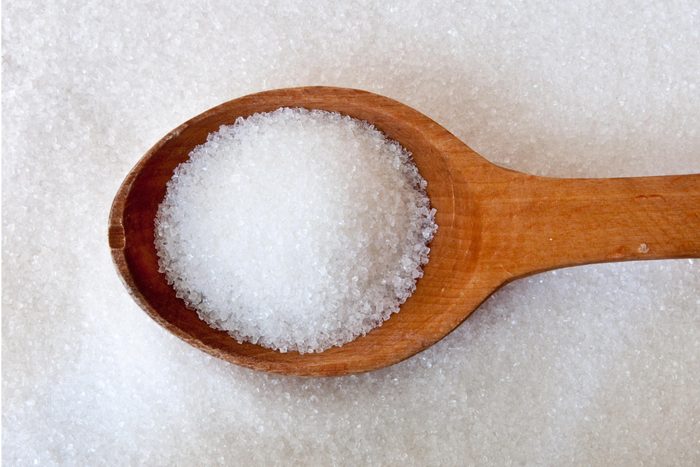
Swallow something sweet
A spoonful of sugar is a popular hiccup cure, and here’s why that might be: It’s believed that the graininess could stimulate the vagus nerve, interfering with the hiccup reflex, according to an old report in the New England Journal of Medicine. In this small study, a spoonful of sugar was effective in 19 out of 20 patients. With this easy hack in mind, keep in mind that more than the occasional hiccup could also be warning signs of these other health problems.
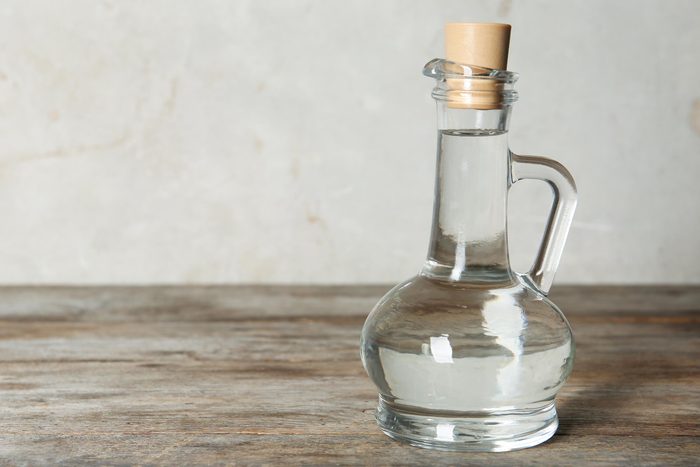
…Or something sour
A 2015 case report on persistent hiccups found that sour compounds, like those found in vinegar, relieve hiccups. A little might go a long way, so try just a drop or teaspoonful of vinegar on your tongue. And if you want to do more with that power ingredient, discover all the ways that apple cider vinegar could help your health.
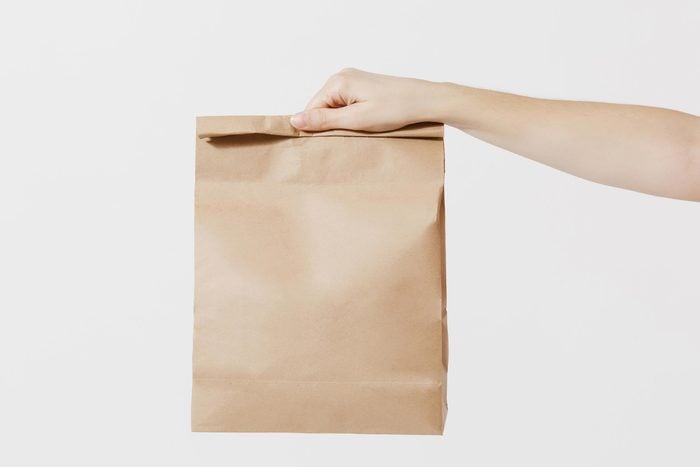
Brown bag ’em
Breathing slowly and deeply into a small paper bag might eliminate hiccups, according to Mayo Clinic. (Stop if you feel light-headed.) This bag trick is the go-to hiccups home remedy of integrative medicine physician Andrew Weil, MD, who reports that it works by increasing the carbon dioxide level in the blood and relaxing the muscles and nerves that contribute to hiccups.
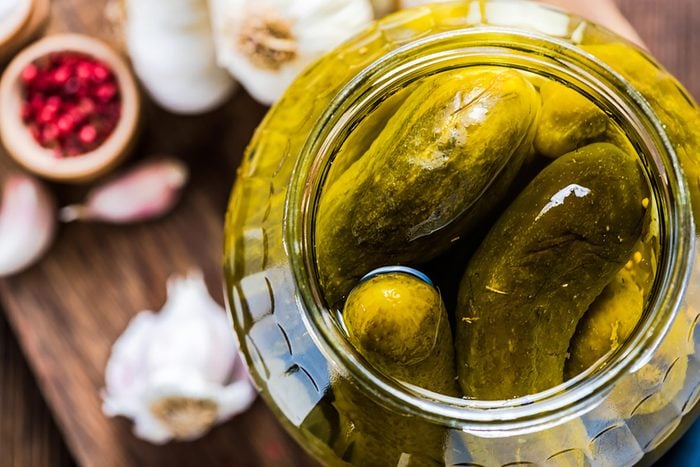
Chew up some dill
Drinking dill pickle juice may also do the trick, according to an old case report in BMJ, the British Medical Journal: A patient who had stubborn hiccups after surgery only responded to one of the doctors remedies: Pickle juice. Did you know that hiccups could be a sign of this life-threatening condition?
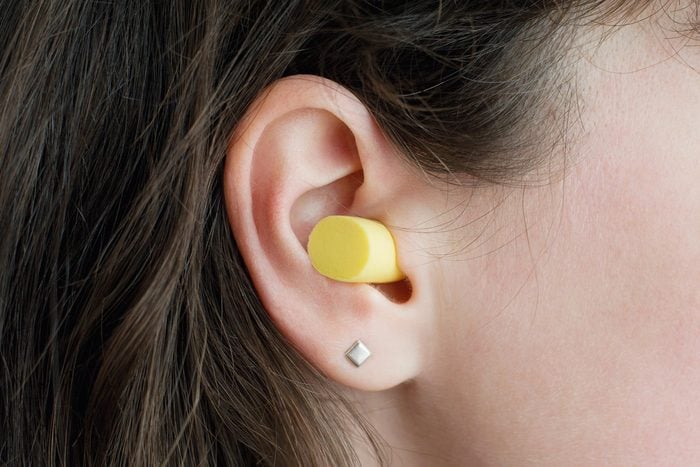
Plug your ears while drinking water
Although it seems strange, plugging your ears while sipping a glass of water through a straw is one possible way to cure hiccups. In Canadian Family Physician journal, an emergency room doctor shared anecdotal evidence suggesting that this natural remedy often works.
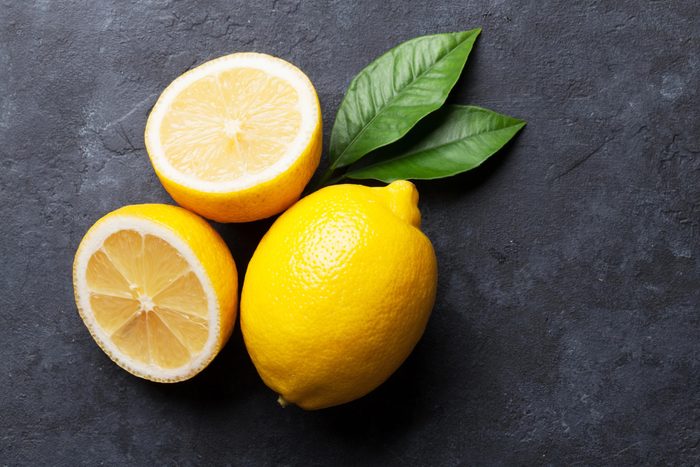
Suck on a lemon
Biting or sucking on a lemon wedge is another popular hiccup remedy. If you have time, suck on a lemon wedge soaked in non-alcoholic bitters. According to a letter that a doctor and a former bartender sent to the New England Journal of Medicine, this natural hiccup treatment cured 14 out of 16 people with hiccups that they tried it on. Looking for more home remedies? These are the best home remedies for every ailment.

Hug your knees
Sit comfortably then bring your knees to your chest and keep them there for two minutes. Pulling your knees in compresses your chest and could help stop the diaphragm spasms and be a cure for hiccups, per the University of California Berkeley. Hiccups are just one of many strange body reactions. Learn the explanations behind some more bizarre body phenomena.
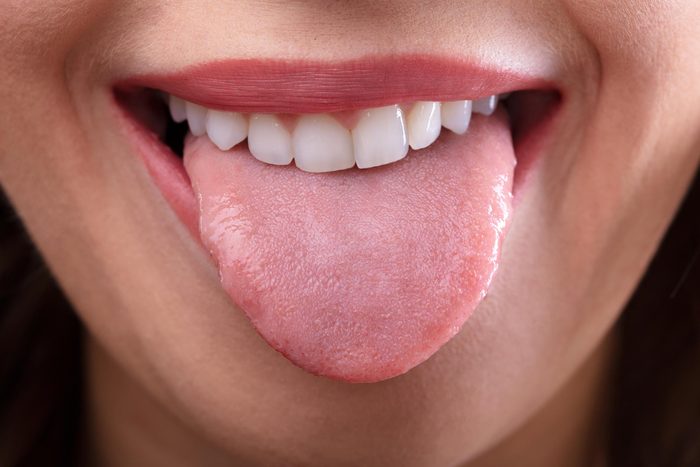
Pull on your tongue
Gently pull on your tongue to stop the hiccups. Sticking out your tongue helps stimulates the nasopharynx (the uppermost part of the throat) and that may just stop hiccups, according to experts at the Harvard Medical School.

Hold your breath
Holding your breath and counting to 10 is a popular method for halting hiccups, according to University of Michigan Medicine. Is it a hiccup or a burp? If it’s the latter, you’ll want to know if your burping habits are normal.

Pop your ears
Popping your ears with the Valsalva technique could stop hiccups, too, suggests a study published in the British Journal of General Practice. To pop your ears with the Valsalva maneuver, close your mouth and pinch your nose while blowing air as if you were blowing your nose, advises Mayo Clinic. Hiccups are only one of 14 bizarre bodily functions you just can’t control.
- US National Library of Medicine: "Hiccups"
- Mayo Clinic: "Hiccups: Diagnosis and Treatment"
- Canadian Family Physician: "Simple Methods for Curing Hiccups"
- The New England Journal of Medicine: "Granulated Sugar as Treatment for Hiccups in Conscious Patients"
- Journal of Palliative Medicine: "Use of Vinegar to Relieve Persistent Hiccups in an Advanced Cancer Patient"
- Mayo Clinic: "Hiccups"
- DrWeil.com: "Got the Hiccups?"
- British Medical Journal: "Intractable Hiccups"
- New England Journal of Medicine: "A Bitter Cure"
- Twitter: @DrOz, September 28, 2012
- University of California Berkeley Wellness: "Hiccups that Don't Go Away"
- Harvard Medical School's Harvard Health Publishing: "What's Up with Hiccups?"
- University of Michigan Medicine: "Hiccups"
- British Journal of General Practice: Hiccups: A Common Problem with Some Unusual Causes and Cures"
- Mayo Clinic: "Airplane Ear"
 Medically reviewed by
 Originally Published: April 22, 2019
