


Ditch the Sugar for These 11 Better-for-You Sugar Substitutes
Updated: Mar. 16, 2022





There are lots of good-for-you natural foods and sugar substitutes you can use instead of refined sugar to sweeten oatmeal, baked goods, and coffee.
The health-conscious part of you knows you should cut back on added sugar. Eating too much sugar has been linked to an increased risk of cardiovascular disease, type 2 diabetes, and even cognitive decline. But your sweet tooth refuses to be ignored. What to do? Keep reading for 11 better-for-you, natural sweeteners and sugar substitutes. (Here are the signs you are borderline diabetic.)
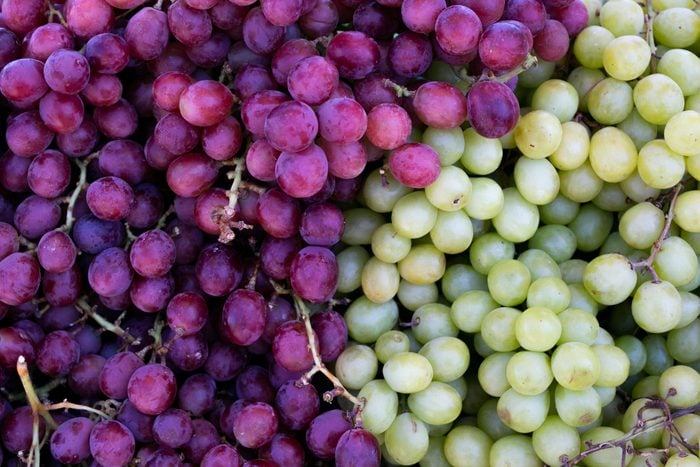
Grapes
In their natural state, grapes are only three calories each. They’re also rich in fiber, says Julia Levine-Axelbaum, RD. Throw grapes into a smoothie, or process them in a blender and use them in place of sugar when baking muffins.
Or use them instead of raisins in a salad or rice dish. “Grapes are packed with antioxidants that have been shown to protect against heart disease and cancers,” says Levine-Axelbaum. “Many people believe that they should stay away from all fruit because of its high sugar content. But the sugar in fruit isn’t processed by the body the same way table sugar is.”
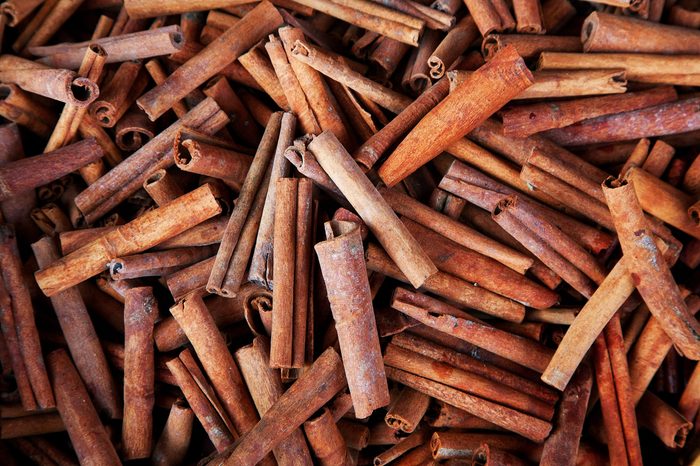
Cinnamon
Cinnamon has zero calories, for starters. Plus, research, including a study published in 2020 in Journal of the Endocrine Society, suggests that cinnamon may improve blood sugar in people with prediabetes, slowing the progression to type 2 diabetes.
“Try sprinkling cinnamon on top of a sliced green apple—it tastes like apple pie,” suggests Levine-Axelbaum. “You can also sprinkle cinnamon into coffee for a ‘cinnamon latte’ without any added calories, or add cinnamon to plain Greek yogurt to cut some of the tartness.”

Vanilla
Vanilla is harvested from the seed-containing pods of the tropical orchid. Unlike white sugar—one of the food ingredients nutritionists try to avoid—vanilla is not heavily processed or chemically refined. And it won’t spike your blood sugar levels because there isn’t any sugar in it, says Rebecca Lewis, a registered dietitian nutritionist at HelloFresh. “Vanilla is often used in sweet treats, even though vanilla itself is not sweet,” she says. “It can also be used to flavor smoothies, coffee, oatmeal, and plain yogurt.”
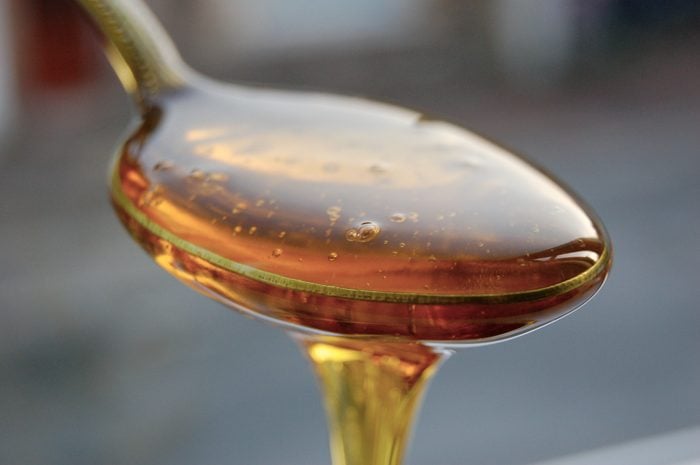
Barley malt syrup
This sticky, dark brown syrup is made from good-for-you whole grains. So while it has about the same number of calories as sugar, it doesn’t lead to the blood sugar spikes and subsequent crashes that are common with sugar, says Lewis. That’s because of the way “the specific form of the sugars in each are harvested and refined,” she explains. “Barley malt syrup has a mellow sweetness, and a distinct malty flavor that works well in baked goods.” Don’t substitute all regular sugar for barley malt syrup in a recipe, though. Instead, swap about 50 to 75 percent of it for sugar when baking.
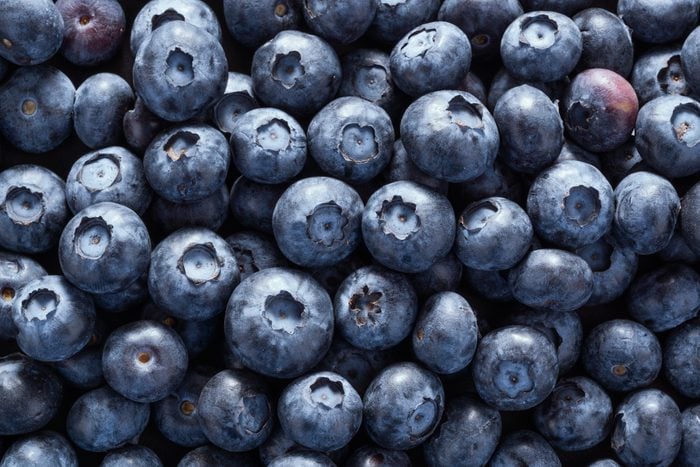
Wild blueberries
Wild blueberries have less sugar than many other fruits such as bananas. Include them in recipes to add just a touch of sweetness. “My clients love making breakfast smoothies using wild blueberries,” says Amy Gorin, RDN, a registered dietitian nutritionist and owner of Amy Gorin Nutrition. “I prefer the wild variety because they contain a little less sugar than traditional blueberries.” Plus, she says, wild blueberries deliver health benefits, like antioxidants. A review of research, published in 2020 in Advances in Nutrition, suggests that eating blueberries regularly may help prevent heart disease and stroke, type 2 diabetes and cognitive decline.
The easiest way to consume them year-round is to stock up on the frozen version. “I’ve used them in fruit-based ice cream, and I’ve defrosted them in the microwave to use as a topping for plain Greek yogurt, pancakes, and French toast,” says Gorin.
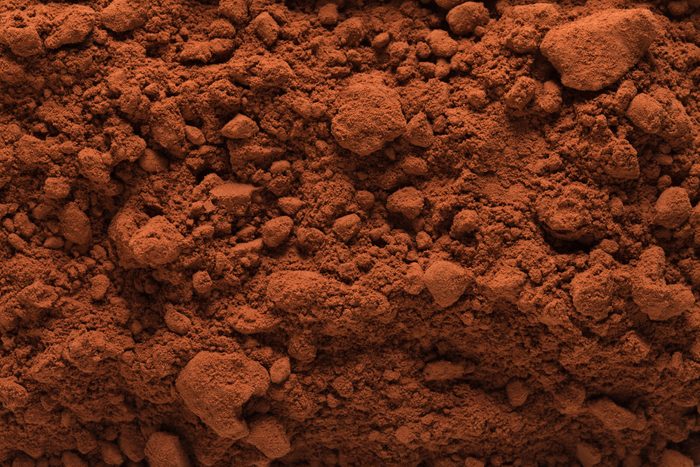
Cacao powder
Packed with fiber, iron, and magnesium, cacao powder is a healthy way to manage chocolate cravings without derailing your diet. “You can use this anywhere you need chocolate flavor, like instead of chocolate chips,” says Monica Auslander, a registered dietitian in Miami, and founder of Essence Nutrition. “You can also add it to yogurt, oatmeal, smoothies, or baking to harvest its chocolatey essence.”
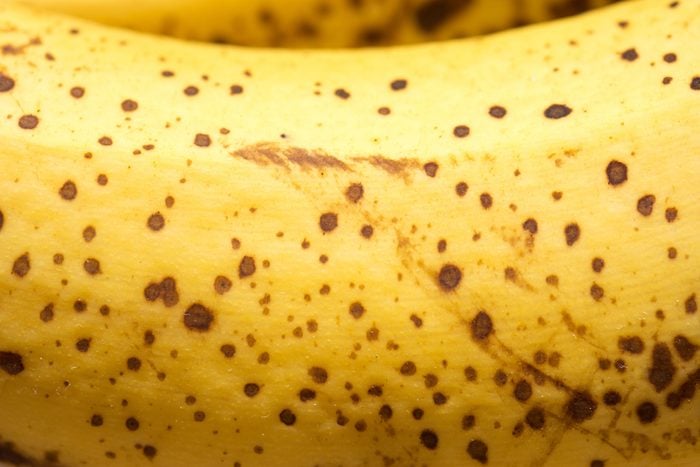
Overripe bananas
Use bananas in place of refined sugar to boost the nutritional value of any recipe. They’re at their sweetest when they’re just a bit “overripe,” says Samina Kalloo, a registered dietitian nutritionist in New York. A half-cup of mashed ripe bananas has about one-quarter the calories of half a cup of sugar. And the dietary fiber, vitamins, and minerals such as potassium can help control high blood pressure.
“From bread to pancakes, oatmeal, and smoothies, overripe bananas are the perfect food to add natural sweetness to almost everything,” says Kalloo. “Skip the sugar in banana bread and just use extra-ripe bananas. Substitute half the oil in a recipe for pureed banana and leave out the sugar or minimize it.” Here are eight more genius uses for overripe bananas.
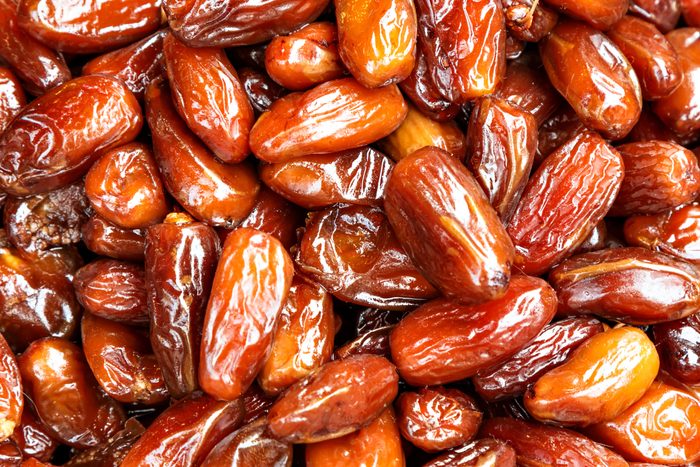
Dates
How’s this for a better-for-you alternative to added sugar? Four dates contain about 7 grams of fiber, along with potassium, manganese, and copper. “They’re great to use in recipes in place of sugar,” says Linzy Ziegelbaum, RD, founder of LNZ Nutrition. “Use them in no-bake recipes since their stickiness helps hold things together,” she suggests. (Among her go-to date recipes: energy bars and energy balls.) “Or you can pop them in the blender in place of sugar or honey and use them to sweeten smoothies.”
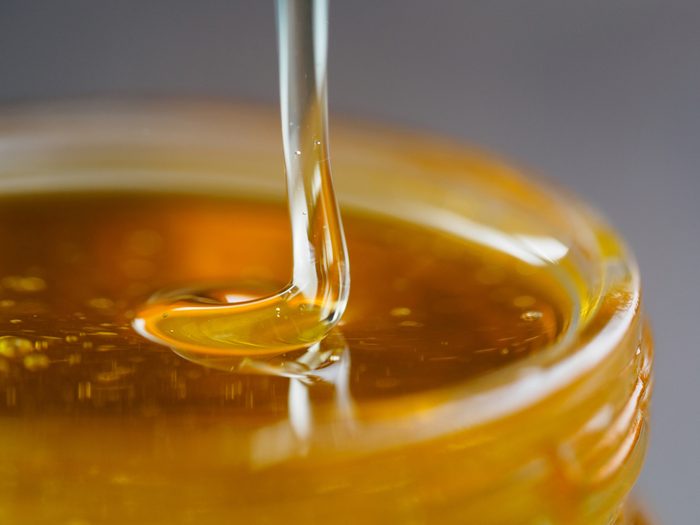
Fiber syrup
Fiber syrup is made of natural plant fibers, with only 5 percent of the syrup containing sugar and 70 percent containing fiber. Its consistency is like honey, making it a good substitute for sugar in home baking, says Frida Harju, in-house nutritionist at Lifesum. “It can also be used to sweeten hot drinks such as coffee and tea. And since it’s a dietary fiber, it’s good for the digestive system.” Use in moderation, she suggests, since it can also act as a laxative.
Prunes
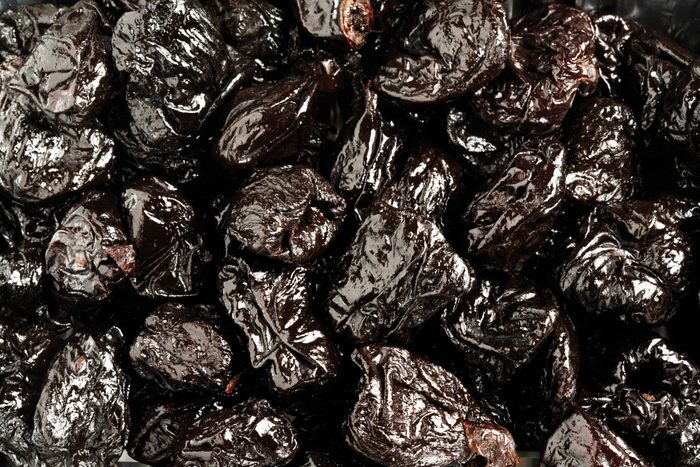
Besides being a source of unrefined sugar, these purple gems are also a good source of fiber. Prunes also add moisture, which helps lend a satisfying texture to baked goods, says Jessica Cording, RD, author of The Little Book Of Game-Changers: 50 Healthy Habits For Managing Stress & Anxiety.
“Stew them in warm water and then puree in a blender,” she says. “The slight tart flavor makes prunes a great sugar substitute in recipes like fruit pies, energy bars, and muffins.” If a recipe calls for one cup sugar, use half a cup of prunes, she suggests.
Lucuma
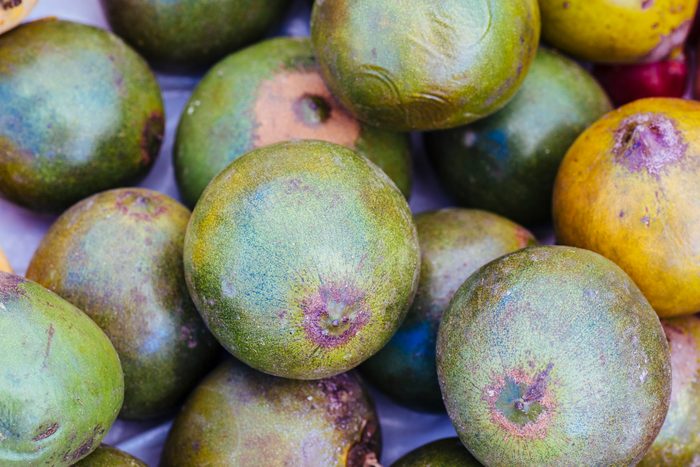
Lucuma—the fruit of a tree that’s native to South America—is most similar to brown sugar in terms of taste, says Janis Isaman, a nutrition coach and founder of My Body Couture. It can be used as a sugar substitute in most recipes; just double the amount. For instance, if a recipe calls for one teaspoon of sugar, use two teaspoons of lucuma, instead. “It really shines in recipes that contain fat, such as ice cream or smoothies,” Isaman says. “It also helps stabilize blood sugar and has anti-inflammatory properties.”
